

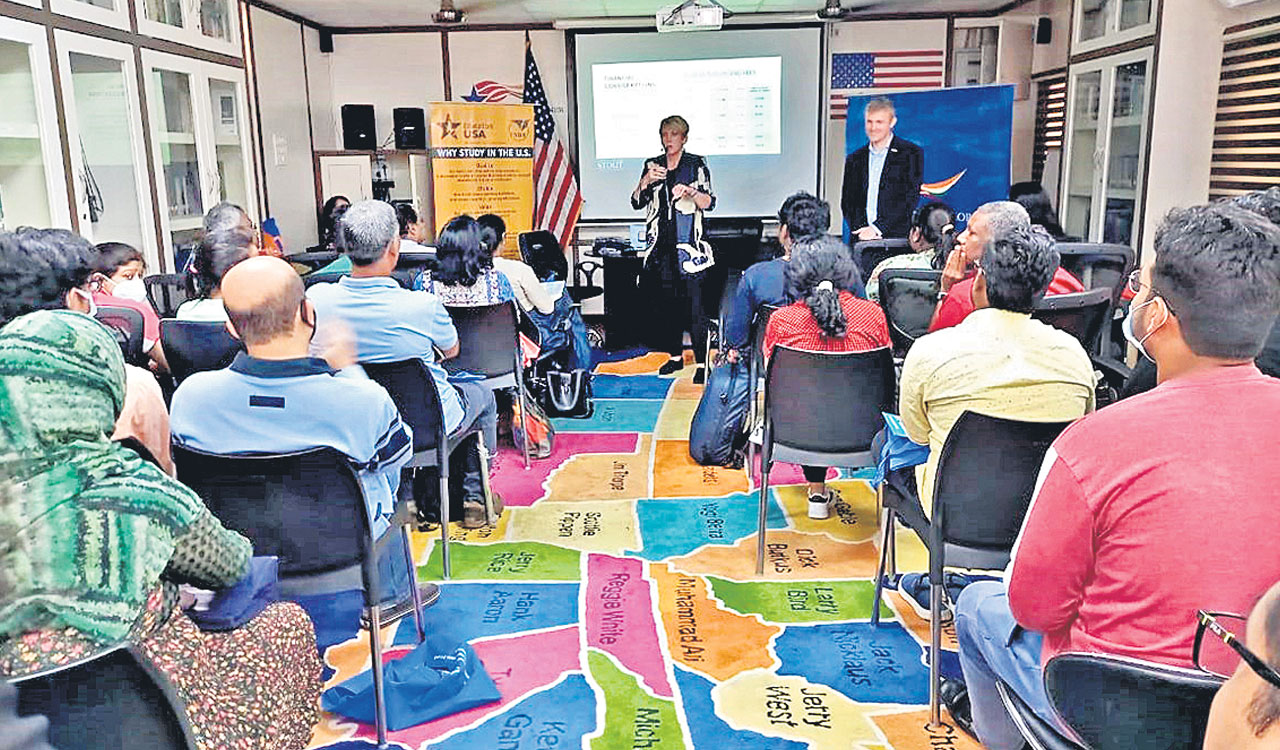
International students with disabilities have access to many support services and resources on American university campuses
Posted Date – 12:15 AM, Sun – 1/8/23
Today, we will begin a two-part discussion of the support systems available to international students with disabilities in the United States.
Part 1 provides information on research university options for higher education for students of different abilities; and Part -2 focuses on information related to student visa applications, pre-departure considerations, and important contacts to maintain during your stay on campus.
International students with disabilities have access to many support services and resources on American university campuses. The number of applications from international students of all abilities grows every year due to the support and convenience provided by higher education institutions.
U.S. law requires both private and public universities to be inclusive and provide reasonable accommodations to create an accessible environment for these students.
For international students with any physical, mental or learning disabilities, the first step is to research the options available. Once students have decided on a course they are interested in, they can narrow their search by looking at available university support services. Most universities support the full inclusion of students of different abilities, and these services are free to students.
During this phase, students should take the time to learn about the disability-friendly infrastructure, resources, and services available from student-led organizations on campus. International students can contact student-led organizations on campus to learn more about local attitudes and culture toward people with disabilities. Once you’ve found a college that matches your interests and needs, it’s time to apply.
application:
Most college applications have the option to declare existing conditions, impairments and disabilities. It is important to be transparent about additional needs at this stage, as it gives universities ample time to make the necessary changes and adjustments to support students’ needs. Institutions cannot and will not deny admission based solely on disability.
acceptance:
Once a student receives an offer from a university, communication is key. Students should contact Disability Services to give a brief overview of their condition and complete any required forms detailing the support they need from the institution while studying. The center may require additional documentation at this stage regarding aspects of the accommodations required for housing, dining, classrooms, teaching, laboratories, libraries, placement tests, transportation, personal equipment, and any other adjustments needed to help the student succeed requirements. Some universities may interview students to understand and arrange accommodation.
Next week we’ll find out what you need to know about applying for a student visa, what to do before you go and the important contacts to keep in touch while you’re at school.
Please visit the US-India Education Foundation website for more information on studying in the US: https://www.usief.org.in/Hyderabad.aspx
• Phone/Whatsapp: 91-8008462712/8008465712/ 8008462560
• Email: usiefhyderabad@usief.org.in | hyderabad@educationusa.org
– US Consulate General in Hyderabad
