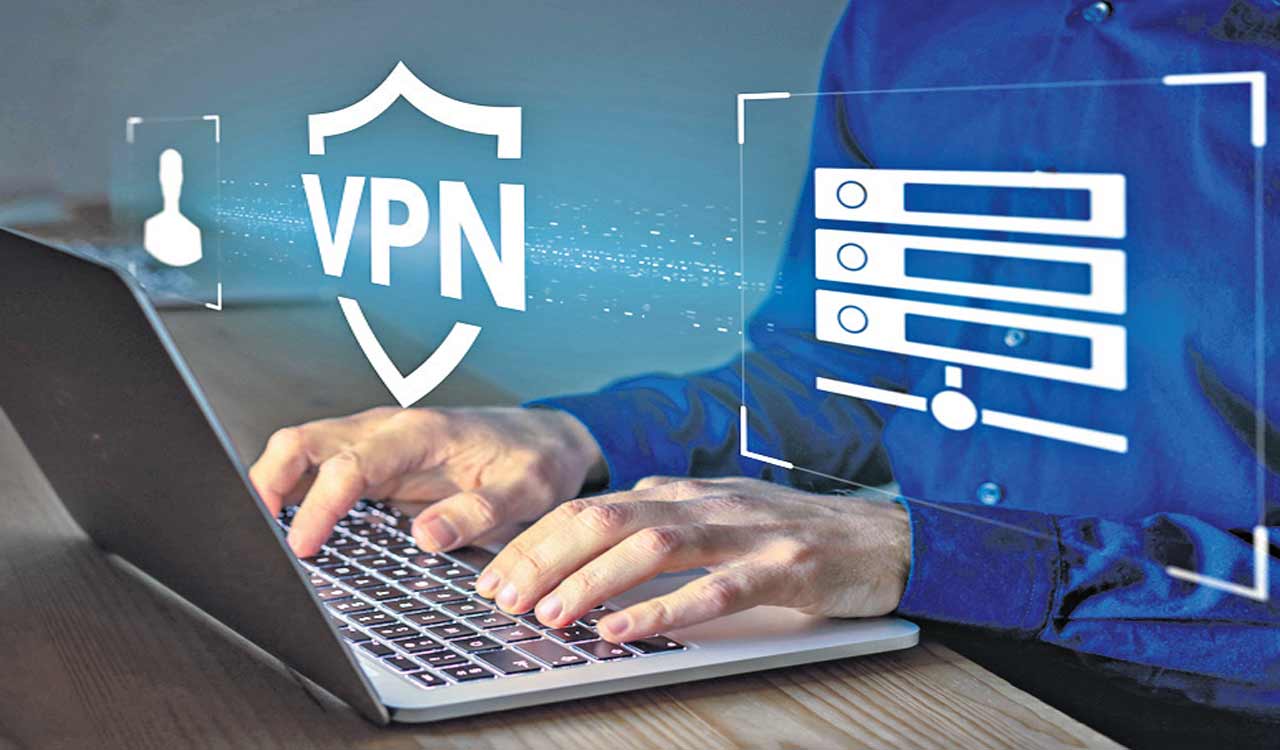
VPNs use encryption and other security protocols to protect data and provide privacy to users
UPDATE – Tue, 5/2/23 at 12:55am

A Virtual Private Network (VPN) is a technology that allows users to securely access the Internet or a private network from a remote location. VPNs use encryption and other security protocols to protect data and provide users with privacy and anonymity. VPNs have to offer many advantages, but they also have many disadvantages that we should all be aware of.
Advantages of VPNs
* A VPN allows users to browse the internet or access private networks without revealing their IP address or location. This makes it more difficult for third parties to track or monitor user activity.
* VPNs use encryption and other security protocols to protect data and prevent unauthorized access. This is especially important when using public Wi-Fi networks, which are often vulnerable to cyber attacks.
* A VPN can be used to bypass geo-restrictions and access content that may be blocked in certain regions or countries. This is useful for users who want to access websites, streaming services, or online content that are not available in their country.
Disadvantages of VPN:-
*A VPN may slow down your internet speed due to the use of encryption and additional security protocols.
* While some VPNs are free, many charge a subscription fee.
*Users must trust their VPN provider to protect their data and maintain their privacy.
* Some websites or services may not work properly when accessed through a VPN
* User data can be exploited by VPN providers, which they collect and sell to third parties.
* They bombard users with ads or redirect them to other sites.
* VPNs can install malware and then collect money to remove it.
* VPNs can steal user bandwidth and sell it to third parties
Why Scammers Use VPNs
* Scammers can use a VPN setup to spoof a website/email, masquerade as a legitimate company or institution, and send phishing emails/messages to unsuspecting individuals.
* Scammers can use VPNs to create fake investment schemes that promise high returns.
* Scammers can use a VPN to mask their location and pretend to be a legitimate tech support agent from a well-known company. They can then contact the individual and convince them to download remote access software, allowing the scammer to take control of their computer.
* Scammers will engage in extortion scams to (a) steal sensitive information such as personal photos or videos. (b) Threatening with false accusations and then threatening to post them online unless the victim pays a ransom
VPN Laws in India
In 2023, the use of VPNs will be legal in India, but subject to certain restrictions. The government has issued guidelines for individuals and businesses using VPNs. These guidelines require VPN service providers to register with the government and comply with certain data retention and sharing requirements. It’s important to note that while the use of VPNs is legal in India, the government may take action against individuals and businesses who use VPNs for illegal activities or to circumvent censorship.
The Indian government will have the right to require VPN service providers to disclose (a) the user’s valid name, email and contact number (b) the purchase period (c) the assigned IP address (d) the purpose of using the VPN. Therefore, it is important for individuals and businesses to use VPNs responsibly and abide by the law to protect victims from being scammed and harassed by those hiding behind the VPS.
VPN Security Tips
(a) use a reputable VPN provider (b) strong complex passwords (c) enable two-factor authentication. (d) Check for leaks (e) Avoid using free VPNs (f) Never use public WIFI (g) Keep all your software up to date.