More than 50,000 people across the country are waiting to donate their organs, according to the United Health and Family Welfare Department
Posted Date – 12:45 AM, Thu – 6/1/23

More than 50,000 people across the country are waiting to donate their organs, according to the United Health and Family Welfare Department
Under the Jeevandan Organ Donation Initiative, Telangana has nearly 12,500 patients on the waiting list for donated organs from deceased brain-dead individuals.
According to the Federal Ministry of Health and Family Welfare (MOHFW), more than 50,000 people across the country are waiting for an organ donation, while the supply of donated organs is in the hundreds. The gap between supply and demand for donor organs and the challenges to organ donation and transplantation are universal and not limited to individual countries.
In terms of organ donation from brain-dead victims, Telangana ranks first among the states in the country that have registered the highest number of organs harvested from deceased brain-dead victims. Last year, Jeevandan had its best year (since it launched in 2013) when it managed to retrieve 716 organs and tissues from 194 brain-dead people and distribute them to patients in need.
Overall, the number of organs retrieved and transplants performed from brain-dead victims across India has increased over the past few years. According to the National Organ and Tissue Transplantation Organization (NOTTO), a total of 4,990 organ transplants were performed in 2013, rising to 15,561 by 2022, an increase of more than 200 percent in nearly 10 years. ten years.
Despite the significant increase/improvement in organ donation, the fact remains that there is a nationwide waiting list of hundreds of thousands of registered and unregistered patients (patients not registered with a national organ donation program) in need of a donated organ, with low availability hundreds of them.
Even if patients on the waiting list eventually receive a donor organ, complications and challenges after organ transplantation will continue as they must contend with the threat of organ rejection and compromised immunity from immunosuppressant overload struggle. Despite organ transplants, there is always a question mark over quality of life, as patients need to be extra vigilant about their body rejecting the donor organ.
Left to personal choice?
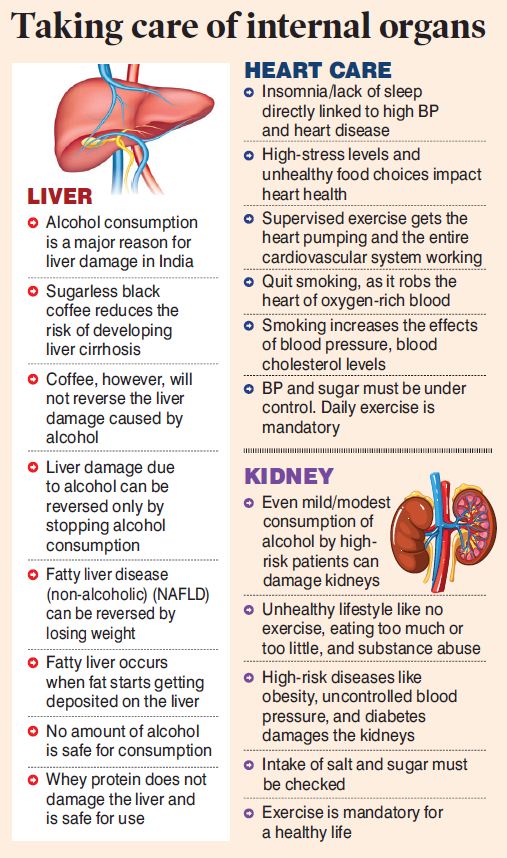
Public health experts and superspecialists advocate prevention over cure, rather than hesitate to go through the trauma of having to be treated for internal organ failure or waiting for an organ from a deceased donor. Making major changes to your lifestyle, eating and sleeping habits can greatly reduce damage to your organs.