Multiple studies have shown that between 50% and 60% of Indian adults aged 18-69 do not meet WHO-recommended physical activity regimens
Post Date – 12:15 AM, Thu – 22 June 23

A sedentary life is directly linked to all major chronic diseases such as diabetes, blood pressure, heart disease, cancer and stroke. In addition to genetic diseases and infections caused by bacteria, viruses, etc., almost all modern chronic diseases are directly or indirectly related to lack of exercise.
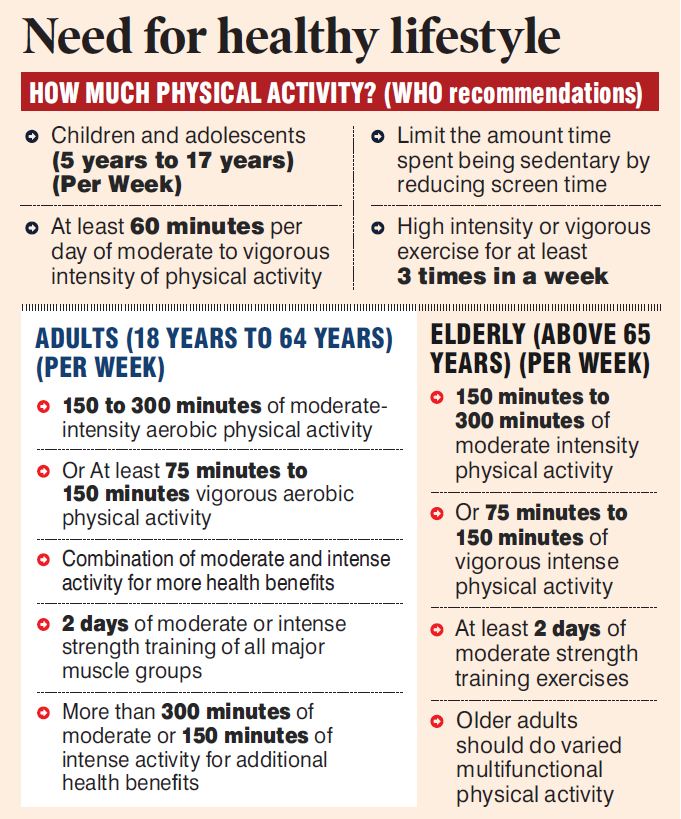
Despite the known risks of physical inactivity, multiple studies and surveys in India have shown that 50% to 60% of Indian adults aged 18 to 69 do not meet the daily physical activity regimen recommended by the World Health Organization (WHO). At least 150 minutes of physical activity per week. Some other studies have shown that 4 out of 10 Indian adults are inactive, suggesting that nearly 42% of Indian adults are not getting the amount of physical activity recommended by the World Health Organization.
Almost all states in India, including Telangana, face a significant rise in the burden of non-communicable diseases (NCDs) in the near future due to physical inactivity, which will test the capabilities of government healthcare facilities and impose significant burden on individuals. cause economic hardship.
What is physical activity?
The World Health Organization (WHO) defines physical activity as “any movement of the body produced by skeletal muscles that requires energy expenditure. It can be performed in many different ways: walking, cycling, sports and active forms of recreation such as dance, yoga , tai chi, etc. Physical activity can also be performed as part of work, such as weightlifting, carrying, or other mobility tasks, and as part of paid or unpaid housework around household cleaning, moving, and caregiving duties.”
The World Health Organization also defines sedentary behavior as “any waking behavior characterized by energy expenditure below 1.5 such as prolonged sitting) are associated with abnormal glucose metabolism and cardiometabolic morbidity, as well as overall mortality.”
What are the benefits of physical activity?
Making physical activity such as walking and exercising a part of daily life can provide multiple health benefits, provide long-term protection against chronic disease, and importantly have profoundly positive effects on mental health. Researchers also often point to physical activity as a non-invasive means of preventing chronic disease.
Daily physical activity has the potential to reduce the risk of cardiovascular disease by at least 80%. Studies have shown that an active lifestyle can reduce the risk of type 2 diabetes by 90% and the risk of cancer by 33%. As well as helping to reduce the risk of noncommunicable diseases, physical activity is clearly linked to improved mental health, delayed onset of dementia, and overall improved quality of life and well-being.