The success of PM-PRANAM depends on farmers adopting natural fertilizers, but will they do so if they don’t see the benefits?
Post Date – Monday, July 10 – 12:30pm

Author: Arun Sinha
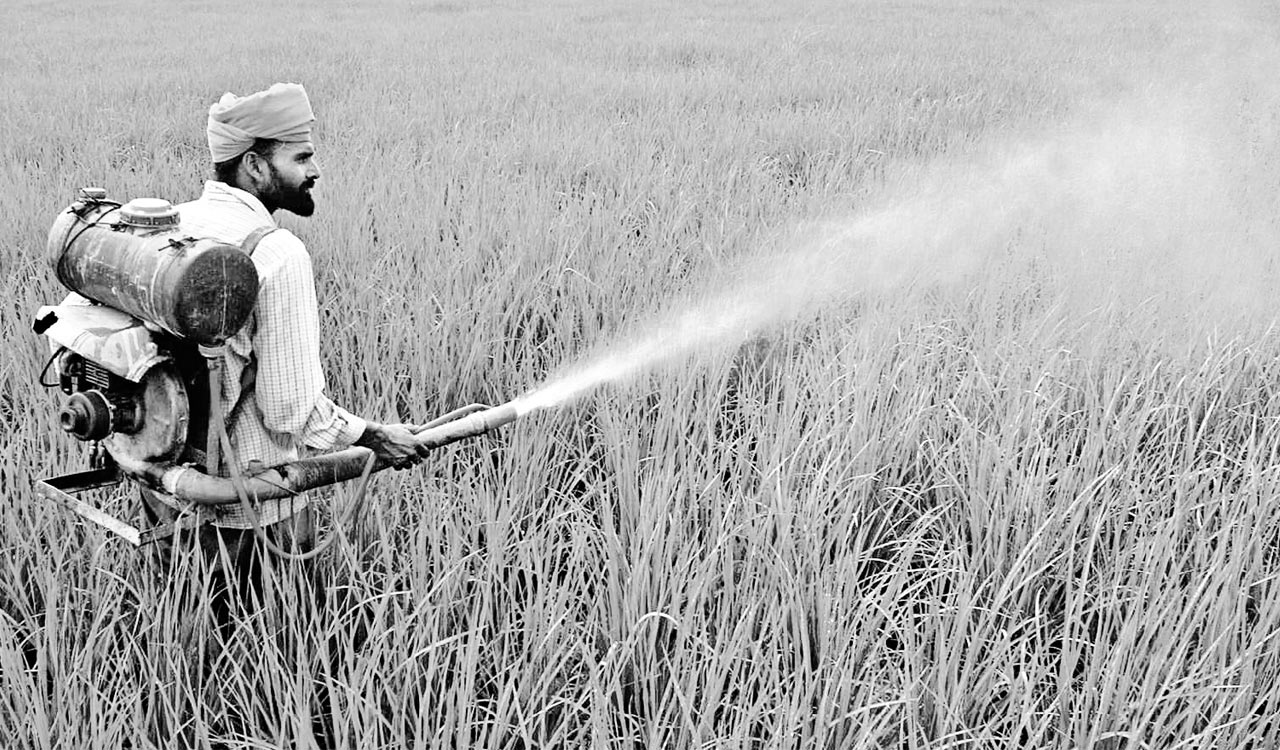
The idea behind the recently announced PM-PRANAM (Premier Program for Agricultural Management Alternative Nutrients) is very advanced. Its goal is to replace chemical fertilizers with natural (organic and biological) fertilizers. Excessive application of chemical fertilizers to increase yields has depleted the soil’s natural nutrients.
Today, the soil in much of the three green revolution states of Punjab, Haryana and Uttar Pradesh is like an old man on steroids. He was still able to work, but felt empty inside. His efficiency and output are declining. Soils in other countries are heading for the same fate.
However, the road to the implementation of PM-PRANAM is full of fog. First, there is no specific funding for this in the union budget. The money was raised by reducing the amount of fertilizer subsidies the central government gave farmers. The state government is expected to encourage farmers to switch to natural fertilizers to reduce subsidy amounts. The central government will give 50% of the saved subsidy amount to the state governments to promote the production of natural fertilizers and raise farmers’ awareness of the use of natural fertilizers.
unutilized capacity, funds
Can state governments afford to switch to natural fertilizers on a large scale? Their record so far has been poor. A study published last year by the Center for Science and the Environment (CSE), a leading eco-think tank, found the natural fertilizer industry was neglected, disorganized and unregulated. State governments have not utilized most of the funds allocated by the central government to promote the production of organic and biofertilizers.
Natural fertilizer yields are low. Even their quality is largely uncertified. Quality control infrastructure is weak. Most states do not have their own testing labs. Eight countries have their own laboratories, but their capacity is not being properly utilized. In 2019-20, less than one-third of the seven organic agriculture regional central laboratories were utilized.
Instead of an increase in the number of biofertilizer samples tested in the lab, it fell from 654 in 2013-14 to 483 in 2019-20. The proportion of bio-fertilizer samples that failed quality testing increased from 1% in 2013-14 to 44% in 2019-20. Counterfeit “natural” fertilizers are being sold to farmers. This is eroding their trust in natural fertilizers.
The success of PM-PRANAM depends on farmers’ adoption of natural fertilizers. How will they do it unless they see the benefit? First, natural fertilizers must improve the health of the soil. Second, they must reduce production costs. The third is to bring them the same yield and income as chemical fertilizer application.
When used to a certain standard of living, farmers will not be willing to switch to natural fertilizers unless they have the ability to maintain them. Governments need to work hard to promote adequate production of natural fertilizers that are not only of high quality but are as effective as chemical fertilizers for high yields.
planting system
But PM-PRANAM is not enough to regenerate soils and revitalize them. Because the health of the soil is deteriorating not just because of fertilizer use. Overwatering is also a big reason for this. Farmers in the countries of the Green Revolution abandoned the ancient multiple cropping system based on the balanced use of soil, water, and fertilizers in favor of the rice-wheat cropping system. The government needs enough rice and wheat to feed the country. It encourages farmers to grow more and more rice and wheat. These two crops require several times more water than other crops such as corn or millet. Overproduction of rice and wheat means overuse of river and groundwater. The result is a soil with high salinity and a greater loss of natural nutrients.
Therefore, the root of the problem lies in the rice and wheat cultivation system. It results in a loss of natural nutrients — nitrogen, phosphorus, potassium, organic carbon, zinc, iron and manganese. It has been chewing dirt like a demon, but still not satisfied. Soils cannot return to normal health unless farmers abandon the rice-wheat system and adopt a variety of cropping systems that reduce their reliance on chemical fertilizers and water.
Guaranteed MSP
And, unless the central government provides guaranteed Minimum Support Prices (MSPs) annually for 23 major crops (7 cereals, 5 pulses, 7 oilseeds, 4 cash crops), they will not diversify cropping system. The government does not need to purchase all major crops. It simply needs to determine a minimum price that even private buyers must pay.
To promote crop diversification, governments have to. This is clear from the recent uproar among sunflower growers in Haryana. Although the central government has set a minimum price of Rs 6,400 per quintal for sunflower seeds, private traders are willing to pay no more than Rs 4,200. The state government didn’t buy it at all. After protests by farmers, the state government agreed to buy them at Rs 4,800 per quintal plus Rs 1,000 per quintal to compensate the difference between MSP and the average market price. The amount of Rs 5,800 (Rs 4,800 for Rs 1,000) is still Rs 600 less than the MSP. Farmers block Chandigarh-Delhi road. Eventually, the state government agreed to pay them Rs 5,000 per quintal, raising the effective price to Rs 6,000.
You can’t blame the farmers. They are willing to diversify to save their land. The area under sunflower cultivation in Haryana increased from 9,440 hectares in 2018-19 to 12,290 hectares in 2020-21, 13,020 hectares in 2021-22 and 14,160 hectares in 2022-23. If the government guarantees an attractive minimum support price for the product, the sunflower planting area will gradually increase. The acreage of crops such as corn and millet will also increase.