Many companies focus on hiring younger workers to increase productivity and efficiency, ignoring the unique skills of older generations
Post Date – 11:59 PM, Thursday – July 20

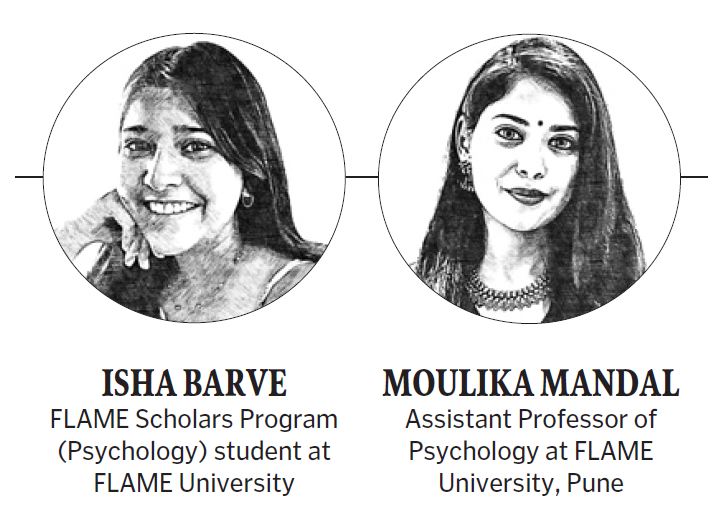
By Isha Barvea, Moulika Mandal
As organizations strive to foster an inclusive workforce, the importance of intergenerational diversity has become an important topic of discussion in the quest for a thriving work environment. Different generations bring different perspectives and ideas, which leads to innovation and competitiveness, which is crucial for any organization to differentiate and grow.
If all employees are from the same generation, with the same values and motivations, the thinking of the organization may become homogeneous, leading to the polarization of the group, which in turn leads to poor decisions and actions (Heaslip, 2017). Multigenerational teams are also said to increase productivity – different generations working together can solve problems faster by combining their skills (Managing Multigenerationals: Expectations and Best Practices, 2022).
reward experience
In addition, working with people from different generations can pay off in terms of personal and professional development—older employees can learn from the millennial digital native generation (born between 1981 and 1996), while younger employees can get advice and direction for their future career paths. This mutual mentoring also creates stronger working relationships, building trust among employees (Gay, 2017).
This concept was shown in the movie “The Intern” (2015). In the film, Jules Austin’s startup launches a program to recruit senior interns. Ben Whittaker, one of the chosen seniors, plays an important role in the young workplace, mentoring young workers and helping bosses achieve work-life balance. This shows the importance of intergenerational diversity in the workplace. Many companies focus on hiring younger workers to increase productivity and efficiency, while ignoring the unique skills of older generations. The Baby Boomers (born between 1955 and 1964) brought loyalty, reliability, a strong business ethic and valuable experience to the organization. Their expertise can be passed on, creating a valuable resource pool.
However, a multigenerational workforce has its own drawbacks. Different generations often have different values, attitudes, needs and motivations. According to Cennamo (2005), younger generations such as Generation Y and Generation Z place greater emphasis on freedom-related work values (such as flexible work schedules). While older generations of baby boomers value a good relationship with supervisors more, younger generations prefer job security, i.e., they are more likely to leave their current job and move to another job that offers more benefits (Hansen and Leuty, 2011). This is different from older generations who associate job security with tenure at the companies they work for. Younger workers are also more likely to value social connections and networking opportunities at work (which older workers are less likely to do as they may already have established social circles among their peers) (Hansen and Leuty, 2011). Under these circumstances, how to retain and satisfy such a diverse workforce?
equal attention
Embracing generational diversity starts with the hiring process. Organizations have traditionally relied on the age and generation of their employees to determine what they are good at. However, this reinforces stereotypes that are not always true. This can further lead to staff stagnation, with certain people being assigned only certain types of work because others don’t think they have the corresponding skills, rather than allowing them to learn and grow by giving them different responsibilities. Company management should pay equal attention to meeting the needs of baby boomers and millennials.
For example, health benefits (on-site health checks, telemedicine) for Generation X employees (born between 1965 and 1980), or financial planning and advice for employees just starting their careers (Heaslip, 2022).
Gathering feedback from all employees is critical to assessing whether existing facilities and benefits meet their needs. In addition, organizations should ensure that employees are adequately trained in formal communication channels and practices to minimize miscommunication and promote inclusivity. To foster understanding between generations, organizations can form intergenerational teams to facilitate familiarity with each generation’s unique perspectives and requirements.
bridge the gap
Alternatively, organizing formal awareness or ice-breaking sessions specifically designed to bridge the generation gap may also be effective. Ultimately, the key to embracing intergenerational diversity is fostering mutual respect. Valuing the opinions and boundaries of colleagues, and respecting their individual needs and motivations, is essential for good collaboration across generations.
Workplace diversity in its various forms, such as ethnic, cultural, racial or gender diversity, has always been important. Beyond that, intergenerational diversity in the workplace is also critical to fostering innovation, improving problem-solving skills, and creating a dynamic and inclusive environment.
While generational differences can present challenges, effective management through open communication, mutual respect, and fostering collaboration can help organizations harness the enormous potential and collective strengths of a multigenerational workforce. Diversification flourishes, innovation takes off!