

Hours after Russia terminated a deal to keep Ukraine’s food supplies, Moscow’s ambassador saw an opportunity to appeal to one of the worst-affected African countries
Published Date – 23rd Mon 24th Jul 05:47pm

Nairobi: As Russia seeks more allies during its invasion of Ukraine, Kenya, a longtime U.S. security partner, may not be an obvious choice. But hours after Russia terminated a deal to keep Ukraine’s food supplies, Moscow’s ambassador saw an opportunity to appeal to one of the hardest-hit African countries.
In an opinion piece in two of Kenya’s largest newspapers, ambassador Dmitry Maksimychev blamed the failure of the agreement on the US and EU, claiming they had “exhausted all means” to prevent Russian grain and fertilizers from reaching global markets. “Now, my dear Kenyan friends, you know the whole truth about who is weaponizing food,” he wrote.
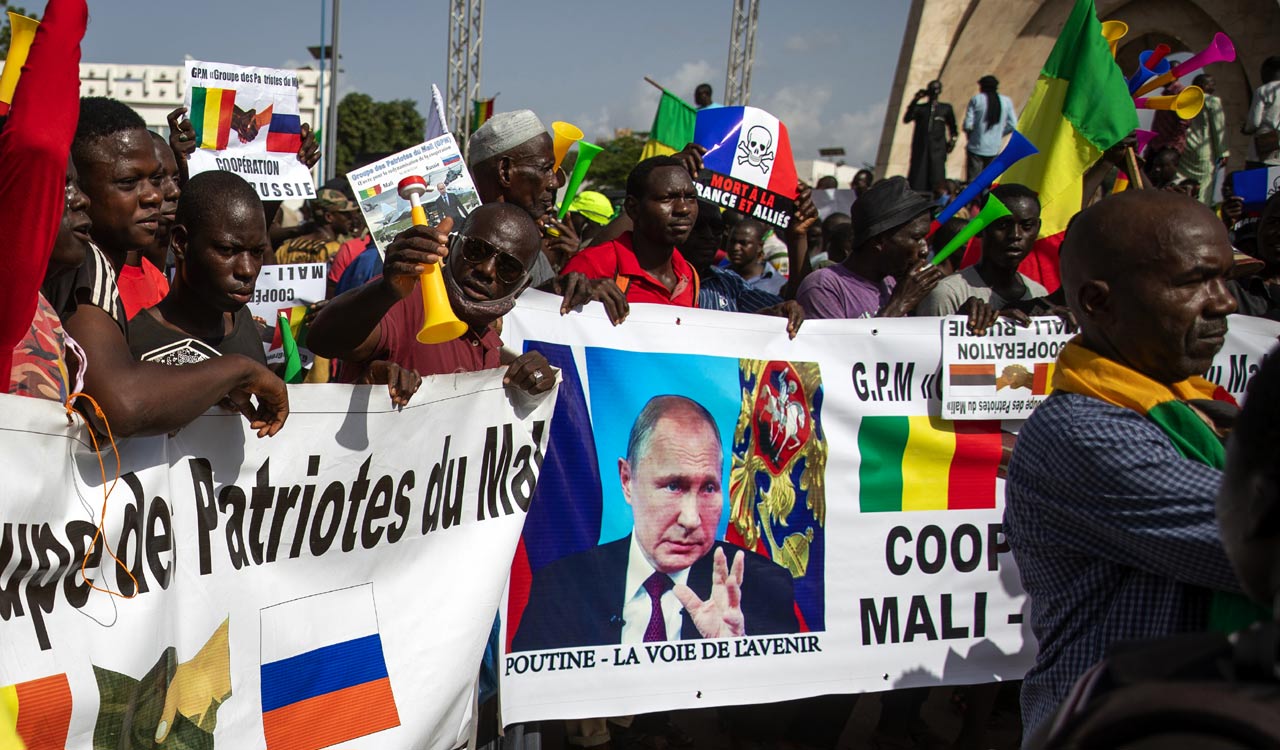
It was the kind of reckless outreach expected at the second Russia-Africa summit this week. There is a problem with the food supply. The same is true for the future of the Wagner Military Group. It was a momentous occasion for Russia, hosting nearly 50 African countries that rely heavily on Moscow for agricultural products and security. It was unclear how many heads of state would be in attendance. President Vladimir Putin’s government is under renewed pressure to demonstrate its commitment to a continent of 1.3 billion people that is increasingly assertive on the global stage.
Africa’s 54 nations, the largest voting bloc at the United Nations, are more divided than any other region on a General Assembly resolution criticizing Russian aggression. Cameron Hudson, an analyst at the Center for Strategic and International Studies, said they may distance themselves from Russia if they feel ignored at Friday’s two-day summit.
