

Posted: Post Date – 03:45 PM, Wed – Nov 9th 22

On October 11, the Supreme Court asked the Centre and the RBI to file full affidavits on the 2016 demonetization decision and prepare documents related to the Centre’s letter to the RBI
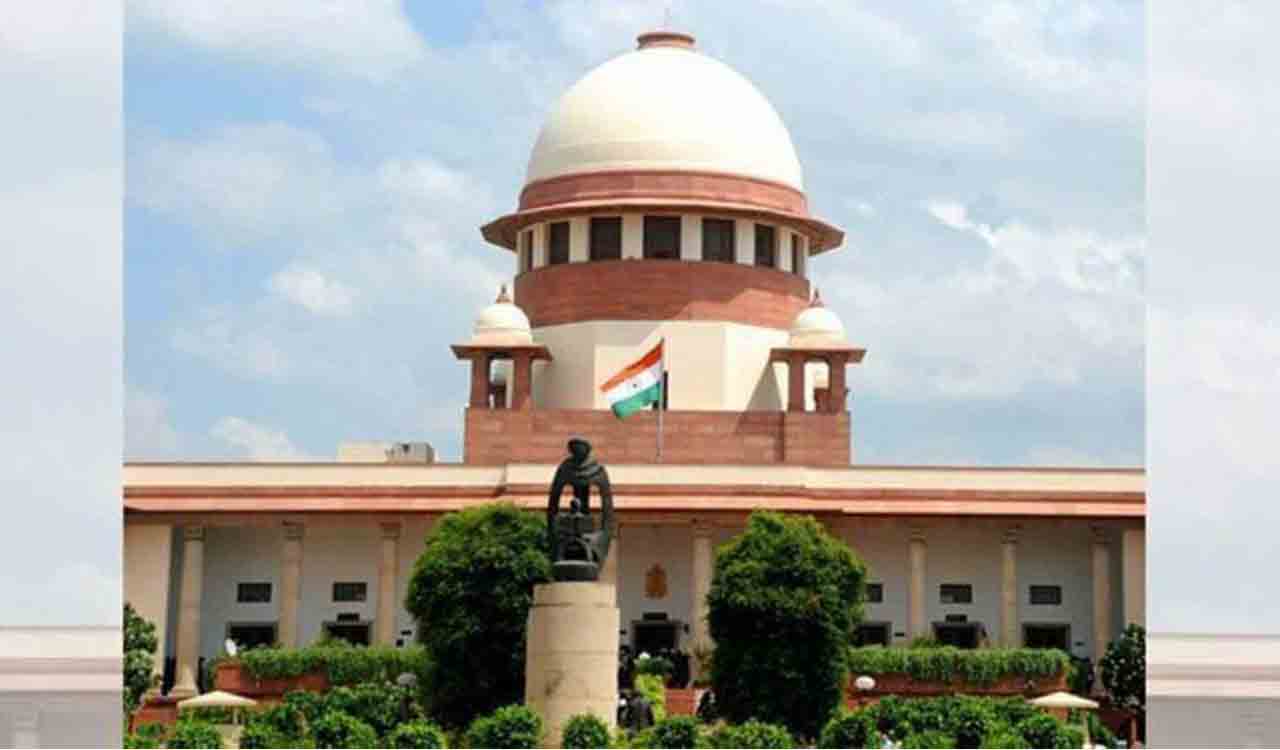
New Delhi: On Wednesday, the Supreme Court adjourned to Nov. 24 a review of the decision-making process behind the 2016 demonetization policy after the center failed to testify, saying it was “very embarrassing.”
On October 11, the Supreme Court requested the Centre and the RBI to file comprehensive affidavits on the 2016 demonetization decision and prepare documents related to the Centre’s letter to the RBI, the RBI Board’s decision and the demonetization announcement .
The five constitutional bench, led by Justice SA Nazeer and comprising Justices BR Gavai, AS Bopanna, V. Ramasubramanian and BV Nagarathna, adjourned after Justice Minister R. Venkataramani sought time to file a comprehensive affidavit.
AG apologised to the bench for not being able to prepare a comprehensive affidavit and seeking a week. “Usually constitutional judges don’t adjourn like this. We’ve never risen like this. It’s also embarrassing for the court,” the judge said. On the adjournment front, Venkataramani said it was also embarrassing for him.
Lawyers representing the petitioners objected to the postponement of proceedings, saying it was never accepted in the Constitutional Court.
Shyam Divan, a senior advocate representing one of the petitioners, said asking the Constitutional Court to adjourn was very unusual. The petitioners’ lawyers said they should be allowed to argue and the RBI and the central government could take their time to file the affidavit. Another senior advocate representing another petitioner said the situation was “embarrassing”.
The Supreme Court postponed the proceedings, making it clear that the government and RBI must submit their affidavits within a week.
The Supreme Court is hearing more than 50 petitions challenging the center’s 2016 decision to remove the Rs 500 and Rs 1,000 notes from circulation. In previous hearings, the Supreme Court said it paid full attention to “lakshman rekha” related to economic policy issues when it set out to review the decision-making process.
