

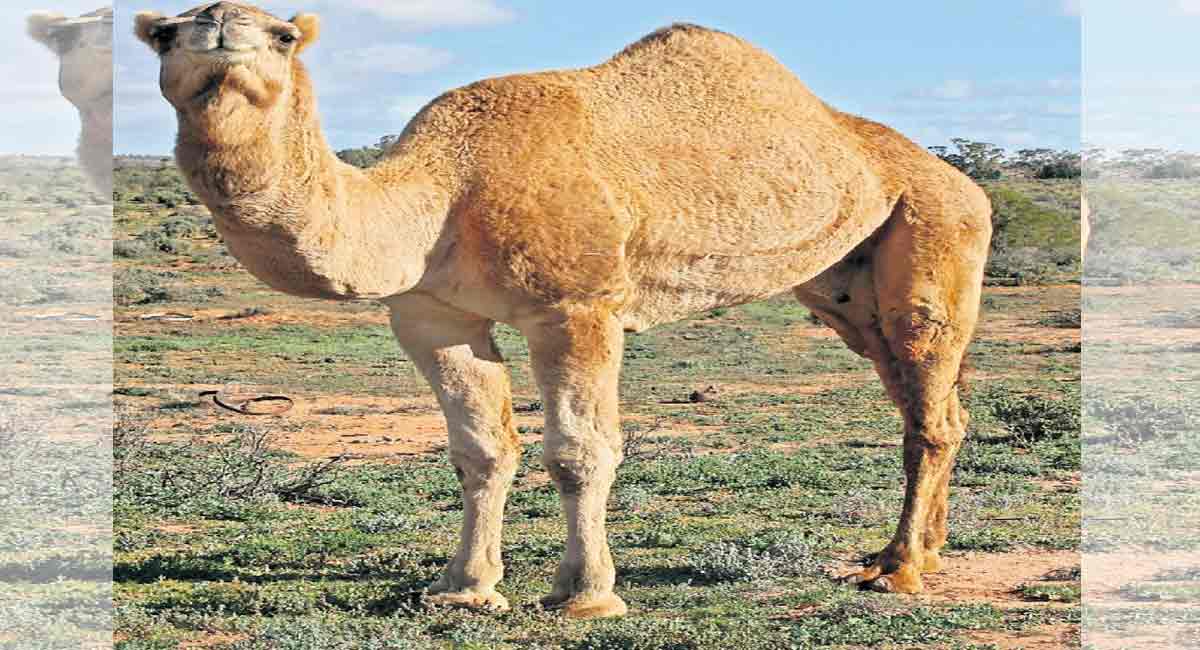
The virus is causing some sort of fear among soccer fans as health experts around the world warn citizens watching the ongoing FIFA World Cup in the UAE about the possibility of camel flu or MERS.
Published Date – Tue, 13 Dec 22 at 05:01pm
Hyderabad: On 2 December, the Australian Department of Health issued an advisory for fans attending the 2022 FIFA World Cup in the Middle East. The Department of Health has asked citizens returning to Australia to be aware of Middle East Respiratory Syndrome (MERS) and to practice good hygiene.
According to a report by the British tabloid “The Sun” on December 11, doctors in England have become vigilant about the possibility of MERS infection among football fans returning to England from Qatar.
The virus is causing some sort of fear among football fans as health experts around the world warn citizens watching the ongoing FIFA World Cup in the UAE about the possibility of camel flu or MERS.
Here’s everything you need to know about the virus:
What is Middle East Respiratory Syndrome?
Middle East Respiratory Syndrome (MERS), also known as camel flu, is a serious respiratory illness spread through close contact with camels carrying the virus, eating undercooked camel meat or consuming unpasteurized camel milk.
The zoonotic virus, first identified in Saudi Arabia in 2012, is caused by Middle East respiratory syndrome coronavirus (MERS-CoV). It spreads directly between humans and animals, hence the name Zoonotic.
The virus has been reported in the UAE, South Asia and Africa in the past, and there is currently no specific vaccine for MERS
The virus has killed 858 people worldwide so far, according to the World Health Organization (WHO). The origin of the virus is not yet known, but it is believed to have first originated in bats and then spread to camels.
prevention
Spread of the virus can be stopped by general hygiene measures such as washing hands, avoiding contact with sick animals, and covering the mouth and nose with a mask or tissue.
MERS symptoms
- fever
- cough
- Shortness of breath
- pneumonia
- diarrhea
- Vomit
Symptoms appear 5 to 6 days after exposure, but may last anywhere from 2 to 14 days. Older adults and those with chronic medical conditions are at greater risk of severe illness, which can lead to respiratory failure and death.
Note: Not all patients with MERS-CoV may develop pneumonia.
According to the World Health Organization, Saudi Arabia reported four MERS cases between December 29, 2012, and October 31, 2022.
