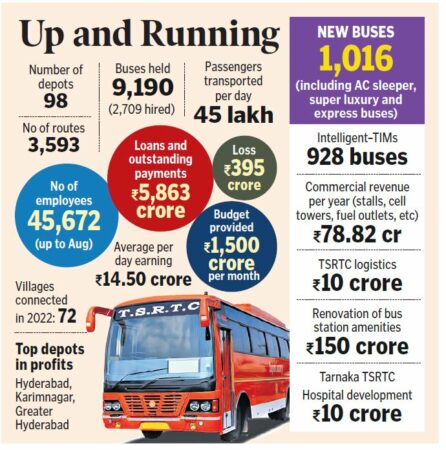
Thanks to unique initiatives, the company manages to trim losses to Rs 3.95 crore from Rs 1,036 crore in 2021
Published Date – Monday, December 26, 22 at 11:30pm

Hyderabad: It has been a fruitful year for Telangana State Road Transport Corporation (TSRTC) as it has managed to generate decent revenue from various initiatives and services.
Thanks to its unique initiatives, the state-run transport company has also managed to reduce the total loss from Rs 1,003 crore in 2021 to around Rs 3,950 crore in the current financial year. It even managed to engage more closely with the public through various social media campaigns.
Until March this year, RTC authorities had been focused on assessing post-COVID-19 traffic flows, passenger demand and expensive fuel, with strategies to improve traffic, revenue and reduce costs.
In addition to improving hospital infrastructure for employee well-being, special emphasis has been placed on connecting with passengers through social media, bus refurbishment and painting, and developing IT infrastructure for rapid decision-making.
The new measures were rolled out in March in an orderly and precise manner, without inconveniencing passengers and avoiding negative publicity.
Steps to Increase Income
The company has implemented “100 Days Challenge” and “Sravana Maasam Challenge” to increase revenue by motivating employees.
From March 2022 to June 2022, the average daily traffic revenue increased from Rs 111.7 crore to Rs 143.4 crore. RTC achieved highest traffic revenue during Sankranti, Rakhi, Dasara and Diwali.
This year, the RTC has also implemented ‘Prajala Vaddaku RTC’, a massive people outreach program in all districts where officials visit villages to ascertain their travel needs. Rationalization of routes and services across multiple regions brought in additional revenue of Rs. 250 crore.
increase fleet
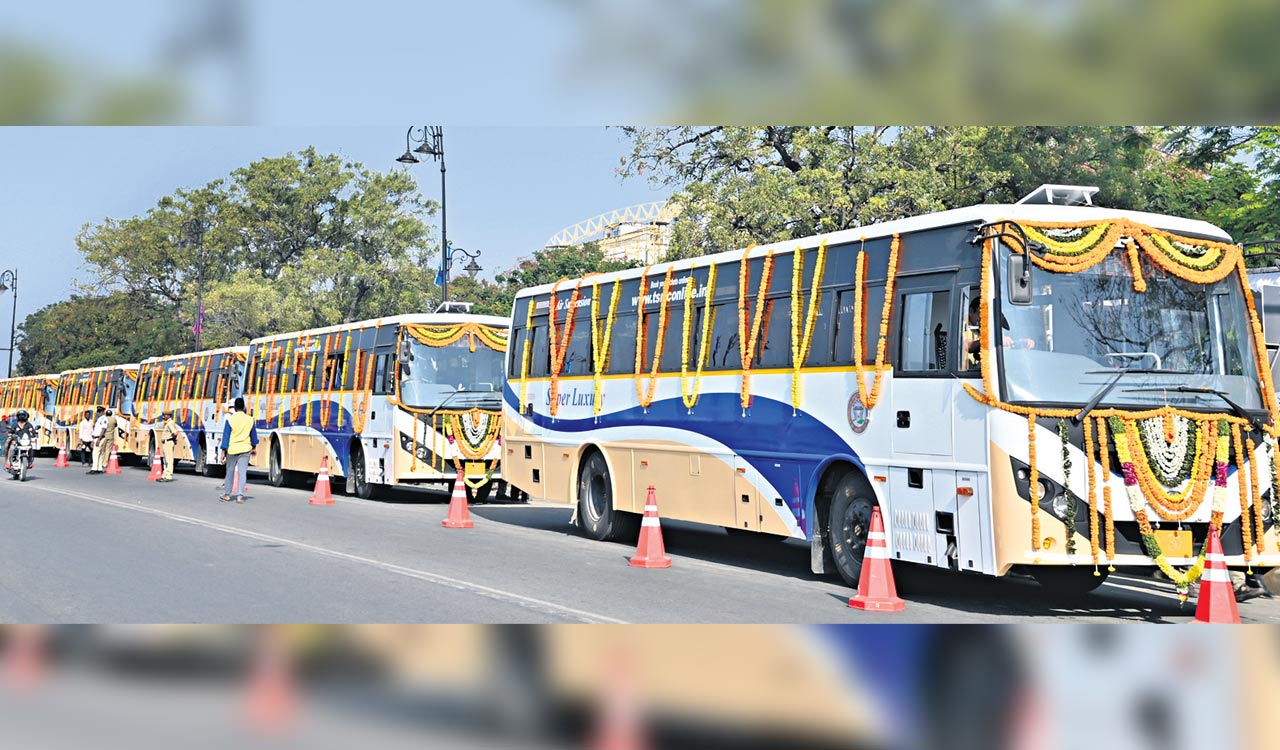
In a major step, 1,016 new buses were procured, including 16 air-conditioned sleeper buses, 630 ultra-luxury buses and 370 luxury and express buses at a total cost of Rs 3.5 billion.
21 non-air-conditioned sleeper and combined sleeper buses and 342 Express, Palle Velugu buses are being rented. As part of the bus facelift, 657 super deluxe and Rajadhani buses and 192 cargo buses were refurbished.
cost reduction measures
Using a degreaser “CVC Motokleen” instead of diesel to clean bearings, fixtures, etc. and buying fuel retail instead of from oil companies helps to avoid the excess cost of bulk purchases.
Tire specifications were revised to reduce tire inventory and disposal of end-of-life vehicles, and to expand tire retreading facilities.
law enforcement drive
The company cooperates with the public security and transportation departments to carry out inspections of illegal vehicles and overloading on high-density and high-frequency lines.
Information Technology Initiatives
Implement static QR code based UPI payments for cashless transactions at bus ticketing, booking and logistics counters.
Implement Intelligent Ticketing Machines (i-TIM) on long-distance and airport buses for cashless transactions and seamless booking. Contract based bus production online.