

Posted: Updated – 12:16 AM, Thursday – November 10

The world’s top research institutions and private companies are involved in developing the ideal bioartificial organs that can be purchased directly off the shelf and safely implanted.
Hyderabad: In Hyderabad, patients with end-stage renal disease typically wait 3 years and 5 years to receive a donor kidney from a brain-dead person. According to data provided by the Director-General of Health Services (DGHS), Ministry of Health and Family Welfare (MOHFW), 180,000 to 200,000 people suffer from kidney failure every year, while the average number of kidney transplant recipients in India is close to 7,500.
It is estimated that 200,000 patients die of liver failure in India every year, of which 5-10% can be saved by timely liver transplantation. As a result, the country needs about 25,000-30,000 liver transplants per year, but only receives about 1,500 per year. About 50,000 people suffer from heart failure every year, but nearly 250 heart transplants are performed each year in India.
Severe shortages of donor organs are common, and patients in Europe, Asia and the United States face similar situations. Although organ transplantation has emerged as a safe option, its accessibility is limited due to the perennial shortage of donor organs.
As a result, medical researchers and engineers are investigating recent advances in biomaterials, innovations to create durable devices, and cell-based therapies to develop safe bioartificial organs that can be safely transplanted into patients.
Over the years, developing safe and affordable artificial organs has become the holy grail of scientists around the world. The world’s top research institutions and private companies are involved in developing the ideal bioartificial organs that can be purchased directly off the shelf and safely implanted.
While the development of artificial limbs and biomimicry holds great promise by restoring the ability to move the limbs of amputees, bioartificial kidneys, hearts and even livers have not yet been fully developed.
Here are some of the most promising artificial organ plans that could become a reality in the coming years:
artificial kidney
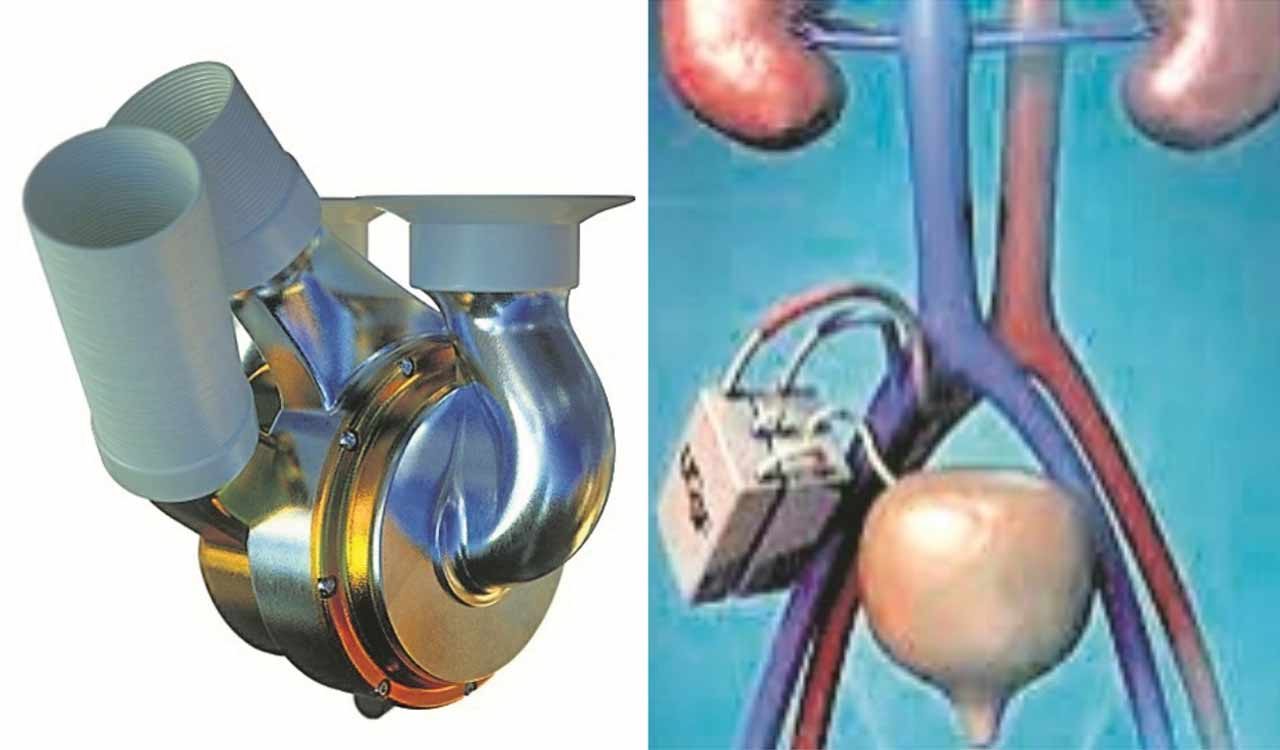
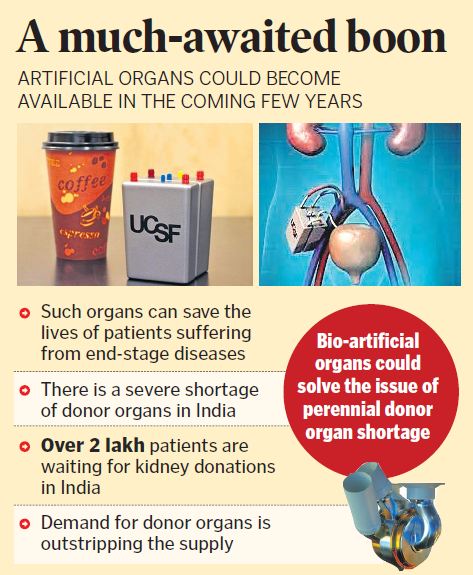
The University of California, San Francisco (UCSF) has been developing a bioartificial kidney as a permanent solution to kidney failure. A coffee cup-sized bioartificial kidney consists of two modules that work together to remove waste. The bioartificial kidney implantation procedure will be similar to a kidney transplant, requiring hospitalization and general anesthesia. “Once the bioartificial kidney device is publicly available, the procedure can be done at any hospital with a trained transplant team,” the UCSF researchers said on their Kidney Project website.
Total Artificial Heart (TAH)
A total artificial heart (TAH) is a mechanical pump that temporarily replaces the heart when it stops beating. A U.S.-based company, BiVACOR, has developed a total artificial heart designed to take over all the functions of a failing heart in a patient.
The TAH is designed as a long-term device that replaces the full function of the patient’s own heart. “This small and compact device uses proven rotary blood pump technology to deliver the required cardiac output. An external controller and battery power the internal device through a transcutaneous drive system,” said the BiVACOR researchers.
Implantation of a total artificial heart is a treatment option for patients with end-stage heart failure who need support on the heart transplant waiting list or are ineligible for transplant.
artificial liver
Several research institutions around the world are researching and developing bioartificial livers that can safely replace the original organs. Researchers at Mayo Clinic are planning clinical trials of the bioartificial liver, which could eventually provide an alternative to transplantation for patients with liver failure. The new device, called the Mayo Spherical Reservoir Bioartificial Liver (SRBAL), has been shown to reduce the severity of liver disease and improve survival in pig laboratory tests.
