

West Bengal is known for its rich biodiversity and climate change is expected to cause many species to disappear, says Dr Anjal Prakash
Post Date – 06:40 AM, Wednesday – 3/29/23

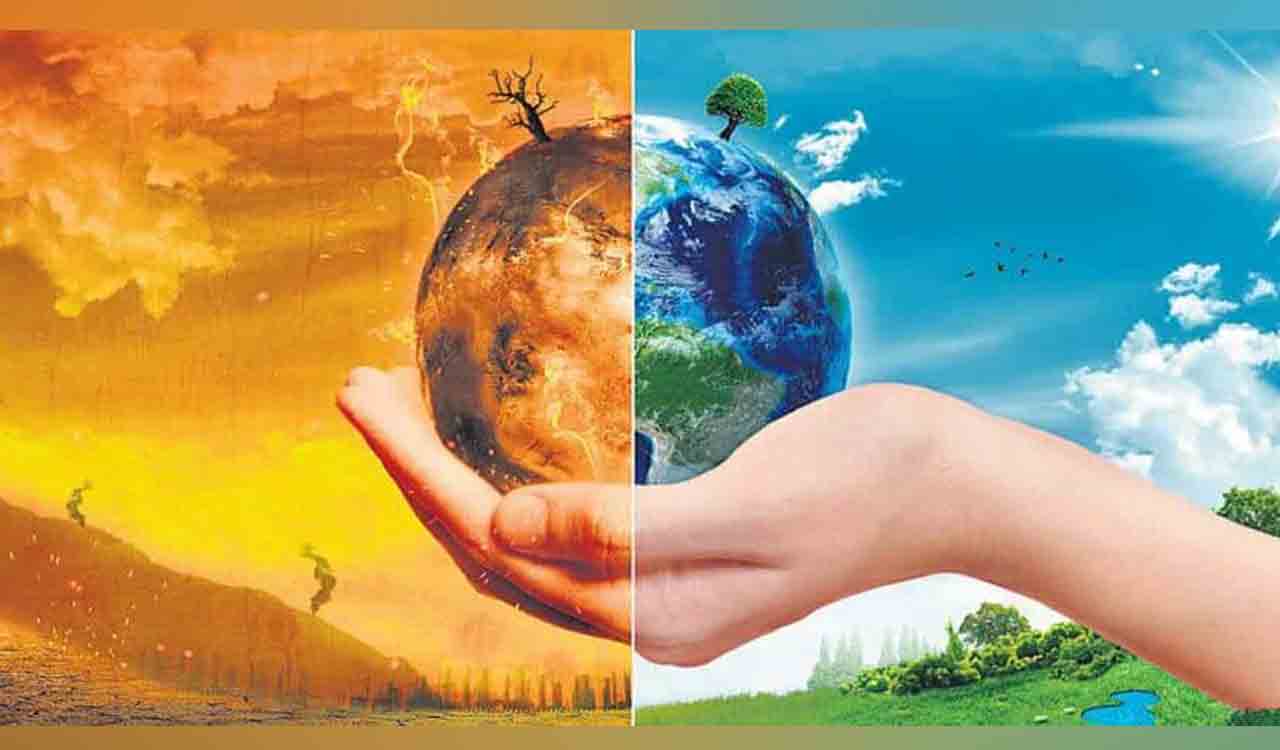
representative image
Calcutta: Experts in the field believe that the effects of recent climate change may affect biodiversity loss in West Bengal and may even lead to the loss of many species.
Dr Anjal Prakash, director of research at the Bharti Institute of Public Policy at the Indian School of Business, said that although West Bengal is known for its rich biodiversity, climate change is expected to lead to the disappearance of many species. “This could have major impacts on ecosystems as well as human livelihoods,” Prakash said.
His observations are based on his analysis of the Sixth Assessment Report of the Intergovernmental Panel on Climate Change (IPCC), of which Prakash himself is an author.
Another possible impact of climate change could be coastal erosion, according to Prakash. “West Bengal has a long coastline and sea level rise due to climate change could lead to coastal erosion. This could have major impacts on coastal communities as well as infrastructure and the economy,” he said.
He is also concerned that changes in precipitation patterns due to climate change could lead to water shortages as West Bengal is highly dependent on rainfall.
“This could have a major impact on agriculture, which is the main source of livelihood for many people in the state,” Prakash added.
Lastly, he also predicted frequent heat waves in West Bengal which, according to him, could pose health risks to vulnerable sections of the population. “West Bengal is known for its hot and humid climate, but climate change is projected to lead to higher temperatures,” he added.
Commenting on the national context, he said that according to the Sixth Assessment Report of the IPCC, every part of the warming will have a catastrophic impact on the lives and livelihoods of the people of the country.
“India has about 400 million people, especially those from marginalized societies who are most vulnerable to climate change, who live in coastal areas and those who depend on agricultural income, and this trend is very disturbing for the country. concerns,” he added.
