

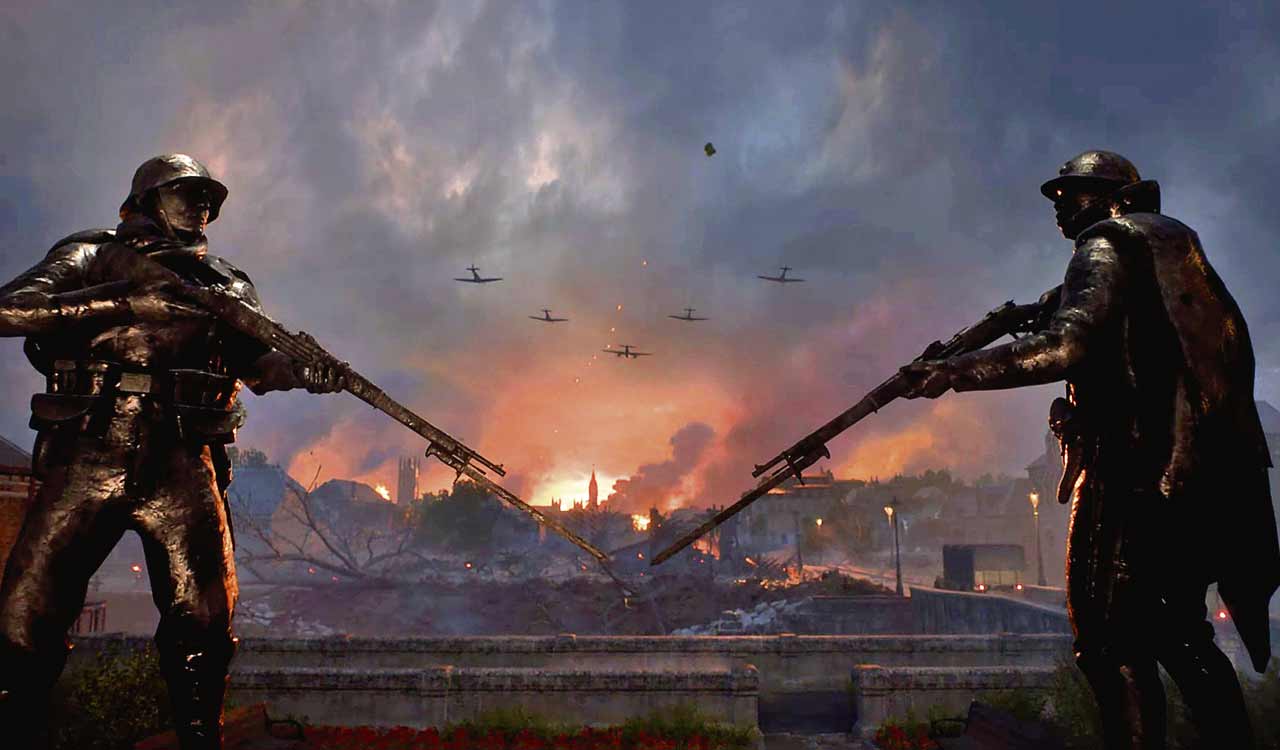
In response to ongoing protests, French President Emmanuel Macron blamed video games and social media platforms like Snapchat and TikTok for public unrest
Post Date – 12:15 AM, Monday – July 3rd

In the past four days, a 17-year-old Algerian boy in the Paris suburb of Nanterre was shot dead by police, sparking unprecedented protests and clashes. The incident sparked widespread protests across the country, with the nature of the shooting reminiscent of the 2020 killing of George Floyd. As a result, public discontent over the shooting has spread to cities across the country.
In response to the ongoing protests, the country’s president, Emmanuel Macron, blamed video games and social media platforms such as Snapchat and TikTok for the public unrest. Regarding video games, Macron’s statement read: “We sometimes feel that some of them live on the streets and are addicted to video games.”
Macron’s statement isn’t entirely unique, as the link between people’s violent behavior and their playing video games is a persistent stereotype. Surprisingly, however, just last year he praised France as a video game nation, acknowledging that gaming practices are an important part of the country’s soft power.
This week, however, he joined a string of politicians, including U.S. Senator Ted Cruz, in suggesting that video games are responsible for things like mass shootings and violent protests. Such a comment from Macron is also surprising because it undermines the history of riots and protests in France, with racial dimensions dating back to 1979, and the ongoing cost of living crisis in the country and the EU. It also puts a country as rich in philosophy and media understanding as France in the same boat as the U.S., where gun lobbies like the NRA often fight to protect the right to own guns but also find innovative way to blame the violence in the media society.
Furthermore, at a time when most of the world is grappling with the challenges of rolling out initiatives to promote digital media literacy among young people, sweeping comments like these can undo years of understanding about the role the media plays in society. The loss of nuance and the decoupling of context and context suggest that video games are the preferred scapegoat when governments fail to contain civil unrest among their people.
Closer to home, we see mainstream news channels talking about practices like “gaming jihad” without regard for the intelligence of the players (the alleged victims) or their institutions, while attributing gaming behavior to various other social issues. The face of youth in the country today.
So we’re left with several unanswered questions and one clear answer: How do we change the conversation around these issues? How do we admit that by shifting the blame to video games or other leisure activities, we only demonize the media that represents the society we live in? How do we make room for more nuanced conversations, hold the political system to account, and critically examine the role of Macron and the 40,000 police officers deployed to curb deadly shootings? I don’t think the media should be held accountable unless the cops who shoot are trained to use guns in video games.
