

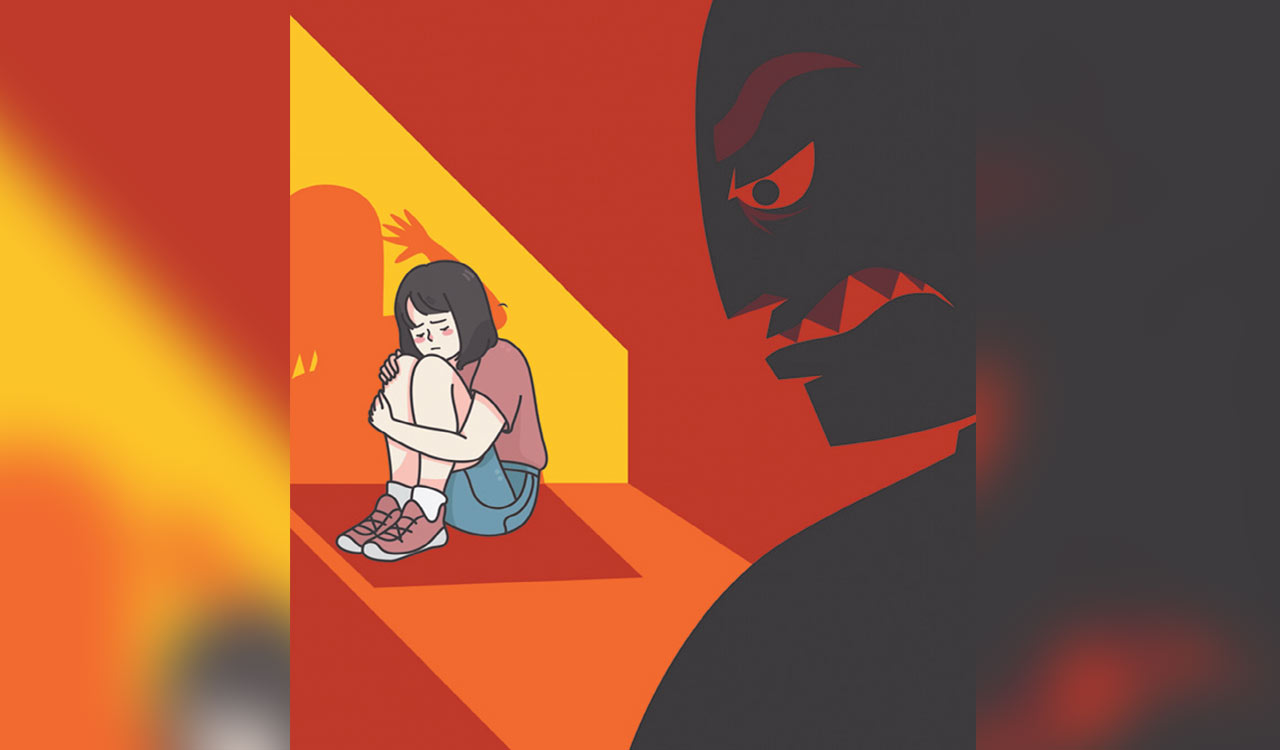
Here’s everything you need to know about the types of violators and how to report them
Post Date – 12:45 AM, Tue – 4/11/23

Child Sexual Abuse Material (CSAM) is any visual depiction, including images or videos, that depicts sexually explicit conduct involving minors (ie, children under the age of 18). CSAM is also commonly referred to as child pornography, although that term is considered outdated and has been replaced with “child sexual abuse material” to accurately reflect the abusive nature of the content.
Possession, distribution, production or acquisition of CSAM is illegal and considered a serious criminal offense in most countries. Basically there are two types of users:
(a) Malicious users: Favorable criminals, commercial criminals and situational criminals
(b) Non-malicious users: unintentional offenders, underage non-exploitative users, and situational “risk” offenders
According to India’s National Criminal Records Bureau (NCRB), a total of 1,49,404 crimes against children were registered in 2021, a 16.2 percent increase from 2020 (1,28,531). Of the 1,49,404 cases, approximately 38% were from protecting children from sex crimes.
Different forms of child sexual exploitation:
a) Child sexual abuse material is the creation, distribution and possession of sexually explicit images or videos involving children.
b) Child sex tourism occurs when an individual travels to another country with the intent to engage in sexual activity with a child.
c) Child marriage is a form of sexual exploitation that occurs when a child (usually a girl) is married before the age of 18.
d) Children and young people may be forced to have sex against their will through threats, manipulation or violence.
Child Sexual Abuse Framework in India:
a) Legal framework: Possession, production, distribution or acquisition of CSAM is illegal in India under the Protection of Children from Sexual Offenses (POCSO) Act, 2012, a law designed to protect children from sexual abuse and exploitation. specific laws.
b) Internet Intermediaries Guidelines: In 2021, the GoI introduced new rules called the IT (Intermediaries Guidelines and Code of Ethics for Digital Media) Rules 2021, which require online intermediaries, including social media platforms and messaging services, to take steps to detect, Remove and report CSAM, and other prohibited content.
c) Efforts and awareness: There are various government agencies and NGOs working on awareness, prevention and rehabilitation related to CSAM. These efforts include public awareness campaigns, training for law enforcement agencies, and initiatives to report and remove CSAM from online platforms.
Preventing CSAM in India:
There are several agencies and organizations in India involved in preventing and combating CSAM, including:
a) National Committee for the Protection of Children’s Rights (NCPCR): A statutory body established under the Committee for the Protection of Children’s Rights (CPCR) Act, 2005 to protect and promote the rights of children in India.
b) Ministry of Women and Child Development (MWCD): Responsible for formulating policies and implementing programs to prevent and combat CSAM. It works in coordination with other agencies and stakeholders to prevent CSAM, provide support to victims, and promote awareness and education on child protection.
c) Non-Governmental Organizations (NGOs): A number of NGOs in India are active in the prevention and rehabilitation of child victims of sexual abuse.
Helpline for Reporting CSAM:
* National Cybercrime Reporting Line: 1930 (cybercrime.gov.in)
* NCPR Complaint Portal: www.ebaalnidan.nic.in/
* Childlineindia: 1098 (www.childlineindia.org/)
* National Council of Women Helpline: 7827170170 (www.ncw.nic.in/helplines)
* Mahila Bol Helpline: 0124-4007444, (mahilabol.org/women-helpline/)
* Prajwala Foundation: www.prajwalaindia.com/
To report abusive content on social media:
* Facebook: https://www.facebook.com/help/1380418588640631/?helpref=hc_fna
* Instagram: https://help.instagram.com/165828726894770
* Google: https://transparencyreport.google.com/child-sexual-abuse-material/reporting
* Twitter: https://help.twitter.com/en/forms/safety-and-sensitive-content/cse
* YouTube: https://support.google.com/youtube/answer/2802027#report_channel
D 500×175 1
