Addressing women’s needs, wage payments and hardship will make work programs inclusive and gender-responsive
Post Date – 12:30 AM, Wednesday – 6/14/23

Dr Sonar Mobal Roy
The Mahatma Gandhi National Rural Employment Guarantee Scheme (MGNREGS), launched in 2005, has made significant progress in promoting rural employment and reducing poverty. However, gender disparities persist and women’s full participation and empowerment in the program remains a challenge in many countries. Strengthening gender mainstreaming is critical to addressing these issues, as it facilitates the integration of gender perspectives into all stages of policy formulation, planning, implementation and evaluation.
According to the latest data available on the MGNREGS website, FY24 has yielded 59.98% female man-days so far. Female participation in MGNREGS (2018-22) showed an increase from 37% to 53%. This shows that women are coming forward for gainful employment in the wake of the pandemic.
equal opportunity
Gender sensitivity plays a key role in promoting gender equality and women’s empowerment within the MGNREGS framework by raising awareness, challenging stereotypes, promoting a deep understanding of gender issues and equality, and addressing discriminatory practices. It goes beyond acknowledging gender differences. Not only does it enable women to actively participate in decision-making processes and assert their rights, but it also creates an enabling environment in which women gain the confidence, knowledge and skills to participate effectively and empowers them to challenge traditional gender roles and social norms Capacity limits their economic and social mobility.
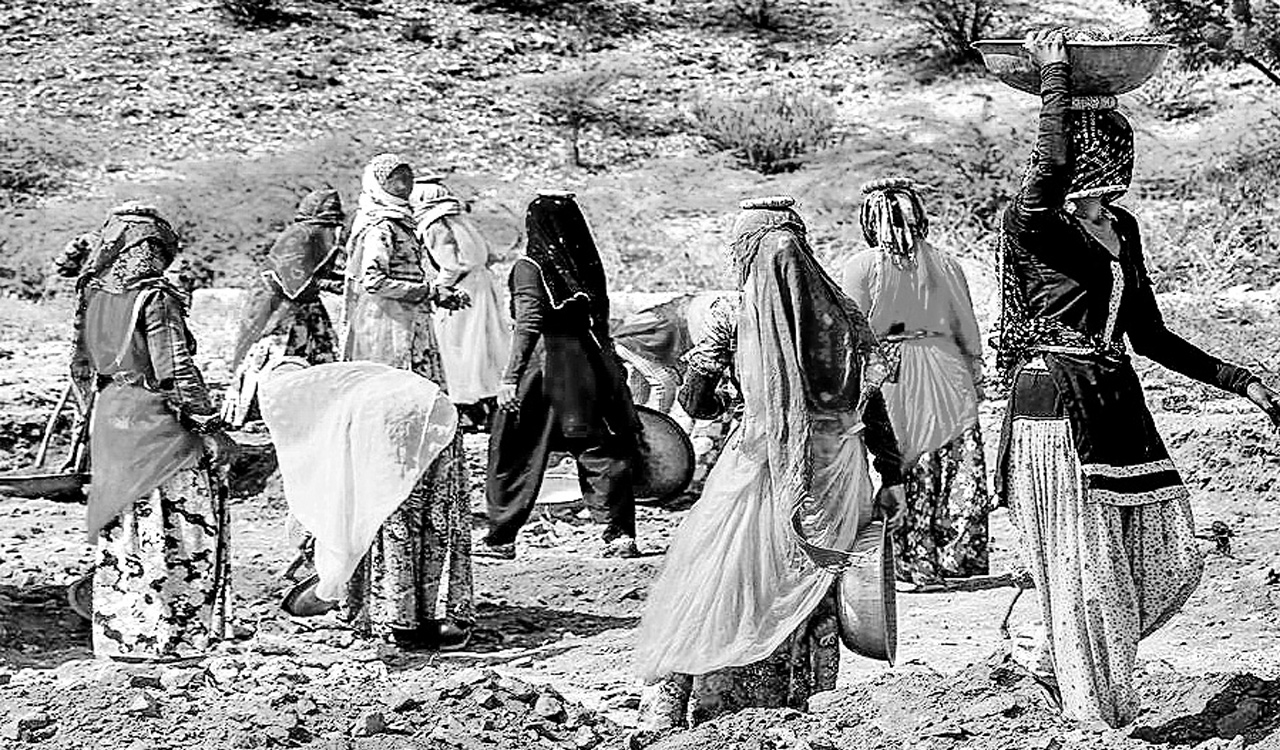
In many rural communities, entrenched patriarchal norms and gender bias prevent women from participating in the program. It has been observed that in states such as Uttar Pradesh and Rajasthan, women feel embarrassed when they work at the same location as their father-in-law or brother-in-law because the potential for physical contact is high. In addition, they have to constantly wear a veil that causes discomfort and can lead to misfortune. Women were often seen with toddlers, sometimes tucked to the side or on the back. Cases were observed where, after receiving wages through Direct Benefit Transfer (DBT), when a woman withdrew cash from the bank, her husband snatched it. Resilience can lead to domestic violence and harassment.
Several strategies and initiatives have been implemented to promote gender sensitivity within MGNREGS, such as training and capacity building for staff, elected representatives and workers on the importance of gender equality, women’s rights and women’s participation. Special attention is paid to promoting women’s leadership and decision-making roles.
Gender-sensitive planning and implementation involves incorporating gender considerations into the design, implementation and monitoring of MGNREGS activities. This includes ensuring equal access to resources, providing a safe and inclusive work environment, addressing the specific needs of women, and considering time and mobility constraints faced by women and people of different abilities. At most of the sites where construction is underway, it can be seen that there are neither nurseries nor proper clean drinking water. Toilets were nowhere to be found.
Another discriminatory practice observed is referring to a laborer by caste or, if she/he is a differently abled person, by their disability. Not only is this inhumane, but it is also morally wrong. Young women have to deal with issues such as ogles and inappropriate stares. Working on construction sites can also be challenging for older women. Therefore, advocacy measures should focus on addressing trivial or completely neglected issues. The arc should be expanded to prevent and address gender-based violence and harassment.
intersectionality, inclusiveness
Intersectionality recognizes that individuals have multiple social identities that intersect and shape their experiences and opportunities. Gender sensitivity is combined with inclusivity, taking into account the intersectionality of identities such as race, caste, class, religion, social identity, disability and sexual orientation. It recognizes that individuals may face different forms of discrimination and disadvantage due to the interaction of these identities. By understanding intersectionality, gender-sensitivity efforts become more comprehensive, inclusive, and effective.
Gender sensitivity in MGNREGS is especially important for vulnerable groups, including marginalized women, scheduled castes and tribes, and other vulnerable groups. It ensures that disadvantaged groups have equal opportunity to participate in the program, gain livelihood opportunities and improve their socioeconomic status. It recognizes and addresses the unique concerns of women in marginalized communities, such as access to childcare facilities, freedom from discrimination and ensuring equal pay for work of equal value. By involving vulnerable groups actively in the decision-making process, gender sensitization helps ensure that their views are considered and their voices heard.
An inclusive approach ensures that no one is left behind. Inclusive spaces ensure that policies, practices and facilities are accessible and gender-responsive without discrimination. It involves providing gender-neutral restrooms, flexible work arrangements, and promoting an inclusive language and culture that respects the gender pronouns with which individuals identify with themselves. Using the phrase “person-days” instead of “man-days” is a good start in this direction.
policy perspective
Governments should develop comprehensive gender-sensitive guidelines for MGNREGS, providing clear guidance on integrating gender perspectives into all aspects of programmes, including planning, budgeting, monitoring and evaluation. The guidelines should address issues such as women’s representation in decision-making bodies, gender-responsive infrastructure development, and measures to ensure women’s safety and security in the workplace.
Specific training should be provided to enhance their understanding of gender issues, gender-responsive planning and implementation strategies. Capacity-building efforts should also include training on addressing gender-based violence and harassment, promoting women’s leadership, and engaging men and community members as allies for gender equality. Incorporating gender-sensitive language, policies and practices in institutions, organizations and public spaces is highly desirable.
Collaboration with community-based organisations, civil society and advocacy groups is critical to strengthening gender mainstreaming in MGNREGS. Collection of sex-disaggregated data is critical to monitoring and evaluating the impact of MGNREGS on women’s participation, access to resources and overall empowerment. Monitoring mechanisms should be established to ensure the effective implementation of gender mainstreaming initiatives. In addition, gender-responsive budgeting should be integrated into the MGNREGS budgeting process to ensure that funds are allocated to meet specific gender-related needs, such as childcare facilities, gender-responsive infrastructure, and gender-sensitive training programs.
Addressing the three “Ws”—women’s needs, wages, and hardship—is a must. Gender sensitivity in MGNREGS is critical to promoting women’s participation, agency and empowerment in rural development. The progress made so far is encouraging, as evidenced by the increasing trend of female workers in the scheme. However, challenges remain and sustained efforts are needed to address gender disparities and ensure equal opportunities for women. (Opinions are personal).