Policy innovation in Telangana is serving as policy learning for other states and central government leading to cooperative federalism
Post Date – Friday 23rd – 12:45 AM – June 30th

Author: Gaud Kiran Kumar
In a changing world, policy innovation is critical to the progress and well-being of societies. It encompasses creative and forward-looking strategies that governments use to address societal challenges and meet the changing needs of citizens.
The social policy implemented by Telangana Chief Minister K Chandrashekhar Rao is an example of policy innovation. Rao’s visionary approach to social welfare not only transformed the lives of the people of the state, but also set an inspiring precedent for effective governance and inclusive development in the nation. Let’s see how his policy innovations changed lives and shaped policy at the national level.
Telangana is the youngest state in India and faced numerous socio-economic challenges at its formation. Rao took office as Chief Minister in 2014 and embarked on a journey of change to face these challenges head on. His government recognizes the importance of policy innovation to foster inclusive growth, reduce inequality and improve marginalized communities.
Rythu Bandhu, Prime Minister Kissan Saman Nidi
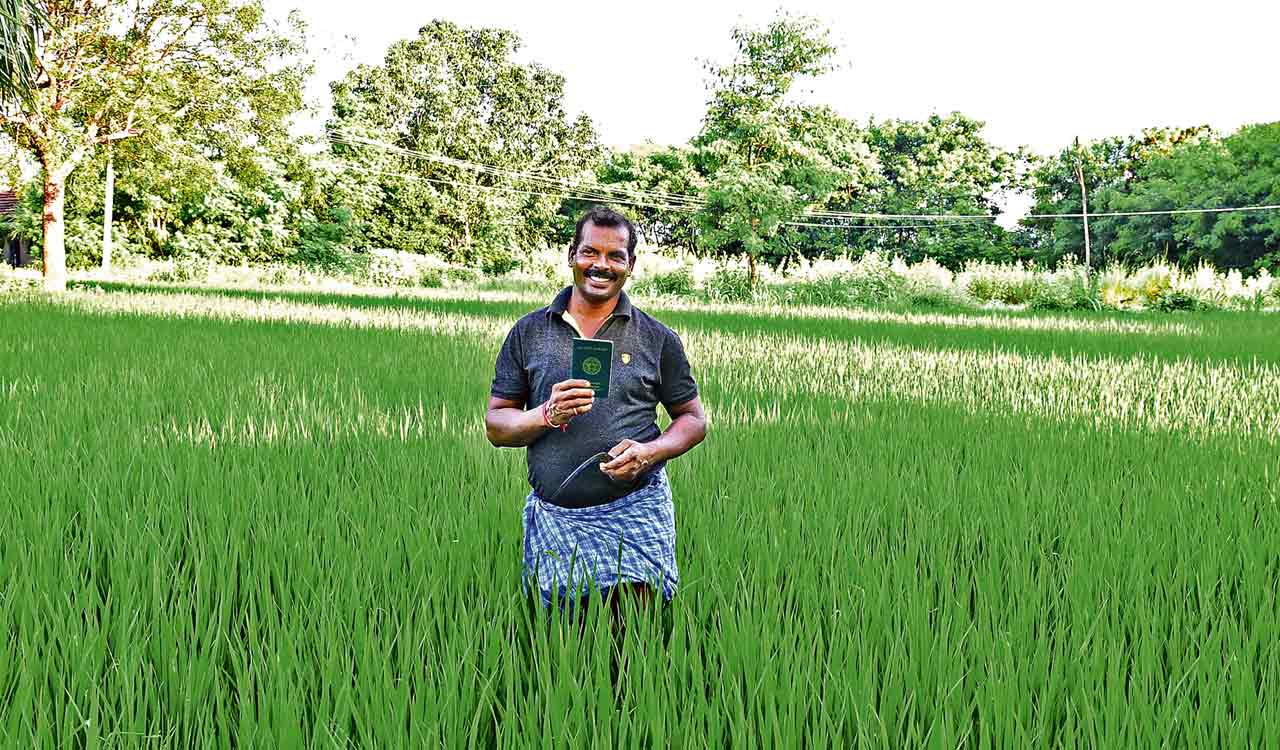
Rythu Bandhu is the brainchild of Chandrashekhar Rao. The program revolves around providing direct investment support to farmers in the form of financial assistance. Under this innovative policy, eligible farmers can receive a fixed amount of financial assistance per mu of arable land. The program covers both small and large farmers, ensuring that all segments of the farming community benefit. Funds are transferred directly to farmers’ bank accounts, enabling farmers to make autonomous decisions about agricultural production, purchase inputs and repay loans in a timely manner.
The Rythu Bandhu program in Telangana is a testament to the power of policy innovation to revolutionize the agricultural sector and empower farmers. By providing direct financial support to farmers, the policy not only helped them overcome their financial burden, but also stimulated agricultural growth, encouraged crop diversification, and improved overall rural prosperity. This innovative approach garnered widespread attention and admiration, setting a precedent for other states and the federal government to replicate the program.
In addition to its agricultural impact, Rythu Bandhu had a profound socio-economic impact. By empowering farmers and improving their economic well-being, the program improves the living standards of rural communities. It stimulates the local economy by increasing purchasing power and creating demand for goods and services. Furthermore, it has played a key role in reducing poverty, addressing the socioeconomic disparities that prevail in rural areas, and ensuring a more equitable distribution of resources.
The Rythu Bandhu program is a shining example of policy innovation in the agricultural sector. By providing financial assistance directly to farmers, the Telangana state government has changed the traditional approach of agricultural support schemes. The Modi government has similarly implemented Prime Minister Kisan Saman Nidhi’s plan.
Dalit Bandhu, BC Bandhu
Telangana’s Dalit Bandu program is a laudable policy innovation that seeks to address historical injustice and uplift the status of marginalized Dalit communities. Retention alone cannot change the lives of marginalized groups. By providing direct financial assistance and empowering Dalit families, the program creates opportunities for socioeconomic growth, breaking the cycle of poverty and social exclusion. This pioneering initiative demonstrates Telangana’s commitment to equality and social justice.
The scheme focuses on providing direct financial assistance to eligible Dalit families. Each family receives a fixed monetary grant to support various socio-economic needs. These funds can be used for a variety of purposes, including education, health care, housing, entrepreneurial and income-generating activities. The Telangana government led by Chandrashekhar Rao has announced a similar plan for the backward classes, especially the most backward in the state. State governments provide financial support to enhance their skills and careers.
Both programs are prime examples of policy innovations that address the specific needs of Dalit and British Columbia communities and create a pathway for their socioeconomic empowerment. Its success in Telangana has caught the attention of policymakers across the country, motivating other states to consider similar initiatives. The innovative approach of the program, combined with its impact on Dalit empowerment, makes it a model worth replicating and adopting in different contexts. The economic development of Dalits and BC people is crucial to bring about qualitative change in society. There are reports that the federal government is planning to roll out such programs for Dalits and British Columbians in the country.
bagirata mission
Mission Bhagiratha aims to provide safe drinking water to all households in Telangana and has inspired ‘Har Ghar Jal’. Policy innovation is a catalyst for social transformation. Rao’s social policies in Telangana exemplify the power of visionary leadership and creative governance in addressing socioeconomic challenges.
By focusing on education, healthcare, welfare, employment and technology-driven governance, the Chief Minister has brought about positive change, improving the lives of countless people across the state. His innovative approach highlights the importance of adopting forward-looking strategies to create inclusive and prosperous societies. Policy innovations in Telangana are becoming policy learning for other states and the federal government, which is needed in the era of cooperative federalism.