

With the 15% reserved for AP locals under the AP Reorganization Act 2014, it ceases to function from next year, more Telangana students have the opportunity to pursue UG and PG courses
Published Date – Sunday 28 May 23 at 08:00 AM

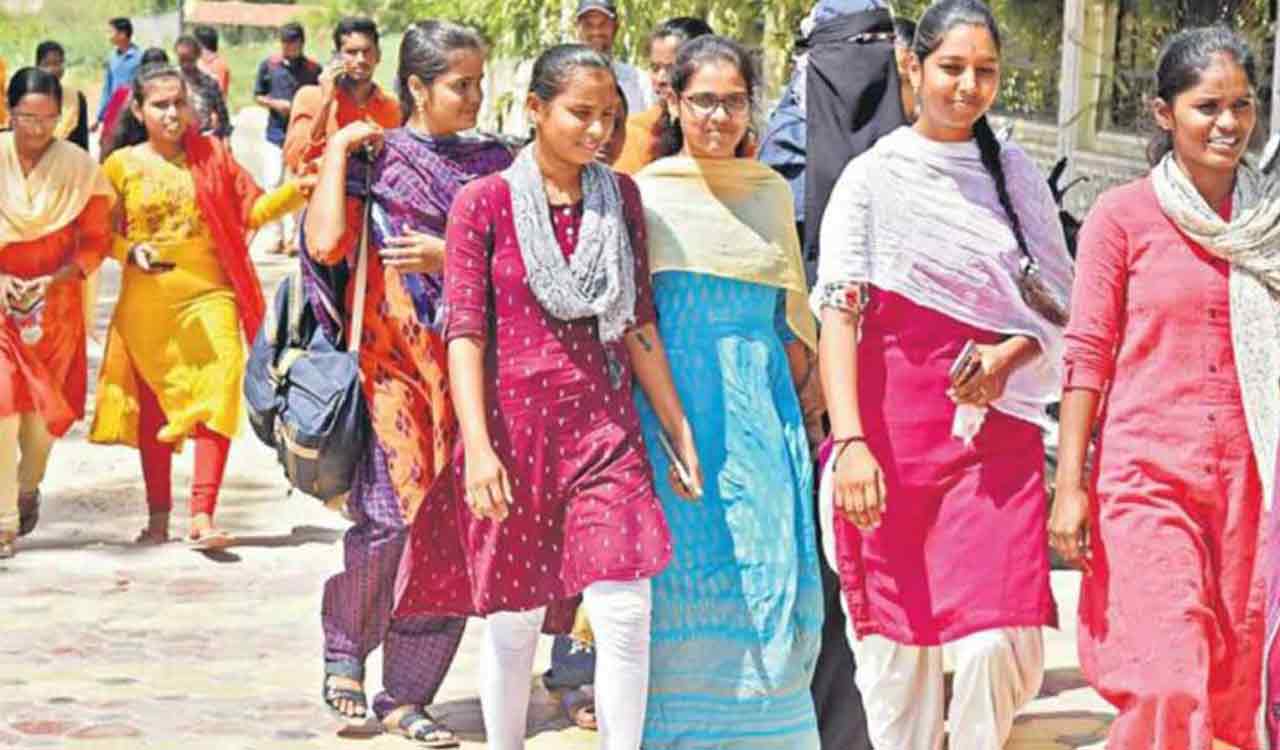
file photo.
Hyderabad: More local students in Telangana will have the opportunity to pursue UG and PG courses in the state, including engineering, medicine and pharmacy, as per Andhra Pradesh Restructuring Act 2014, AP locals have 15% retention and cease to operate from next year .
The 2014 AP Reorganization Act, during the bifurcation, required the continuation of the 10-year joint admission process from 2014 for the two successor states, Telangana and Andhra Pradesh, under Section 371D of the Constitution. It is stipulated that 85% of bookings in Higher Education Institutions (HEIs) are for respective local candidates and the remaining 15% are open to all.
This means that in Telangana, while 85% of admissions bookings are reserved for local students, the remaining 15% is open to Telangana, AP and non-locals (other state and central government employees). The same booking policy applies to Andhra Pradesh, with 85% of seats reserved for local students and 15% open.
In view of the rapid development of industries such as IT, pharmacy, and life sciences, apart from Telangana’s attractive combination of educational prospects, campus placements and employment opportunities, a large number of AP students participate in various universities in the state through the unified admission process every year. professional courses.
This was even more evident in the recently released Telangana State Engineering, Agriculture and Medicine Common Entrance Examination (TS Eamcet) 2023 results, where AP students received the highest rank. The common admission process will end in 2024, leaving more opportunities for locals.
However, the state government will have to make a request for the reserved quota. “The government has two options, one is to increase the reserved quota for local students from 85 per cent to 95 per cent, and the other is to maintain the status quo,” said an official related to admissions at higher education institutions.
