

Posted: Posted on – 12:52 PM, Sun – 11/13/22

Canberra: Not so long ago, FTX was one of the largest cryptocurrency trading platforms in the world. Founded in 2019, the Bahamas-based cryptocurrency exchange has risen rapidly, reaching a valuation of more than $30 billion earlier this year.
All that has changed in the past two weeks. First, there were concerns about the connection between FTX and an asset-trading firm called Alameda Research, including suggestions that client funds had been moved from FTX to Alameda.
A few days later, rival Binance, the largest cryptocurrency exchange, announced it would sell its holdings of FTT tokens, which reportedly contain most of Alameda’s assets.
Panicked customers scrambled to withdraw money from FTX, and the company is now on the brink of collapse, with a banner message on its website announcing that “withdrawals cannot be processed at this time.”
This isn’t the first time we’ve seen such a swift unraveling in the loosely regulated world of cryptocurrencies, and it’s unlikely to be the last.
no rescuers in sight
FTX and Alameda majority owner Sam Bankman-Fried rescued other struggling crypto companies earlier this year. Now he’s desperately looking for a lazy investor with $8 billion to save his company.
Many companies have written off the value of their stake in FTX. As a result, Bankman-Fried has struggled to find investors willing to commit fresh capital.
Binance considered taking over the troubled company outright. It decided against it, citing concerns over allegations of wrongdoing and an SEC investigation.
The price of FTT has now plummeted. It was trading at $24 a week ago. Now less than $4.
warning lesson
Trading “assets” with no underlying fundamental value on a loosely regulated exchange is always a very risky endeavor. For many, this will likely end in tears.
Other kinds of assets are different. The fundamental value of a company’s stock is based on dividends paid out of the company’s profits (or at least expected future dividends).
The fundamental value of real estate reflects the rent earned by investors (or rent saved by owner-occupiers).
The value of a bond is determined by the amount of interest it pays. Even gold has at least some practical uses, in jewelry, dental fillings, or electronics.
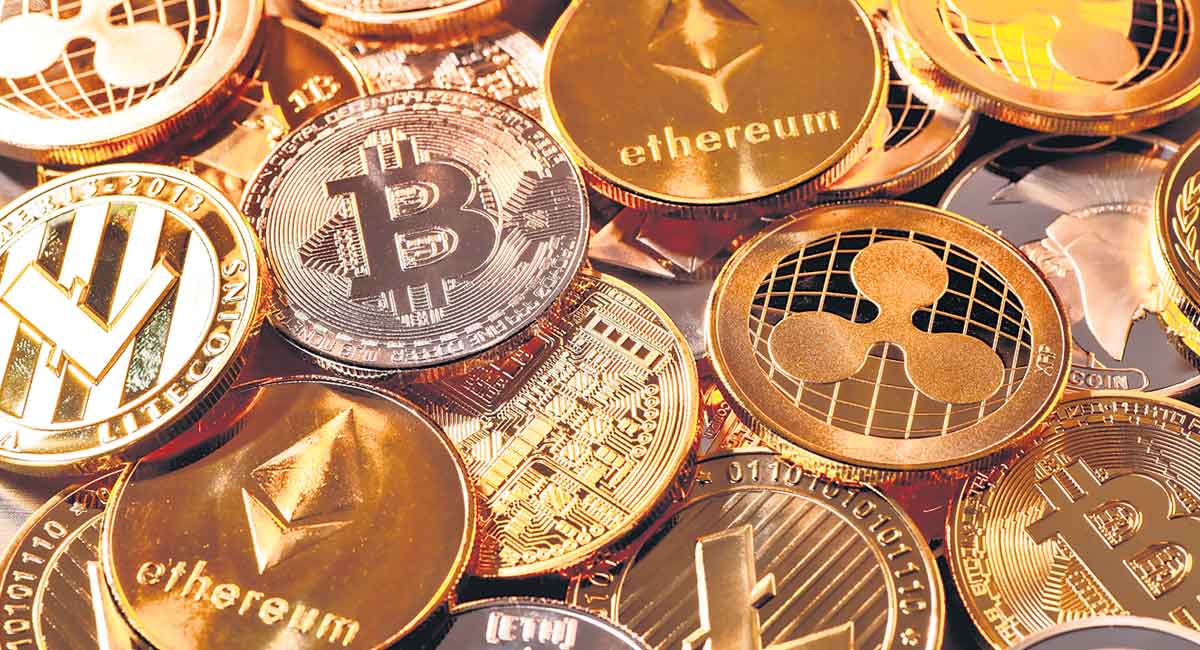
But so-called cryptocurrencies like Bitcoin, Ethereum and Dogecoin (and thousands of “altcoins” and “meme coins”) have no such fundamental value.
They are a game of passing packages, with speculators trying to sell them to others before prices plummet.
Unregulated financial institutions are prone to “bank runs” similar to those seen during the Great Depression.
Once there is doubt about their robustness, everyone has an incentive to be early in the queue to withdraw their money before it runs out.
In a recent interview, Bankman-Fried described his business model, which appears to rely heavily on capital injections from new investors rather than future returns based on the intrinsic value of the asset itself.
Impact on Encryption
These events have further undermined confidence in the crypto ecosystem. Before this latest fiasco, the “value” of cryptocurrencies had fallen from a peak of over $3 trillion to $1 trillion. It has now dropped even lower.
Just as a handful of stars, such as Amazon, rose from the ashes of the dot-com bubble, the blockchain technology that underpins encryption may have only a few applications that will have lasting utility.
The idea of the form of electronic money is being realized in the form of central bank digital currency.
But as Hyun Song Shin, chief economist at the Bank for International Settlements, put it, “everything that can be done with cryptocurrencies can be done better with central bank money”. (conversation)
