

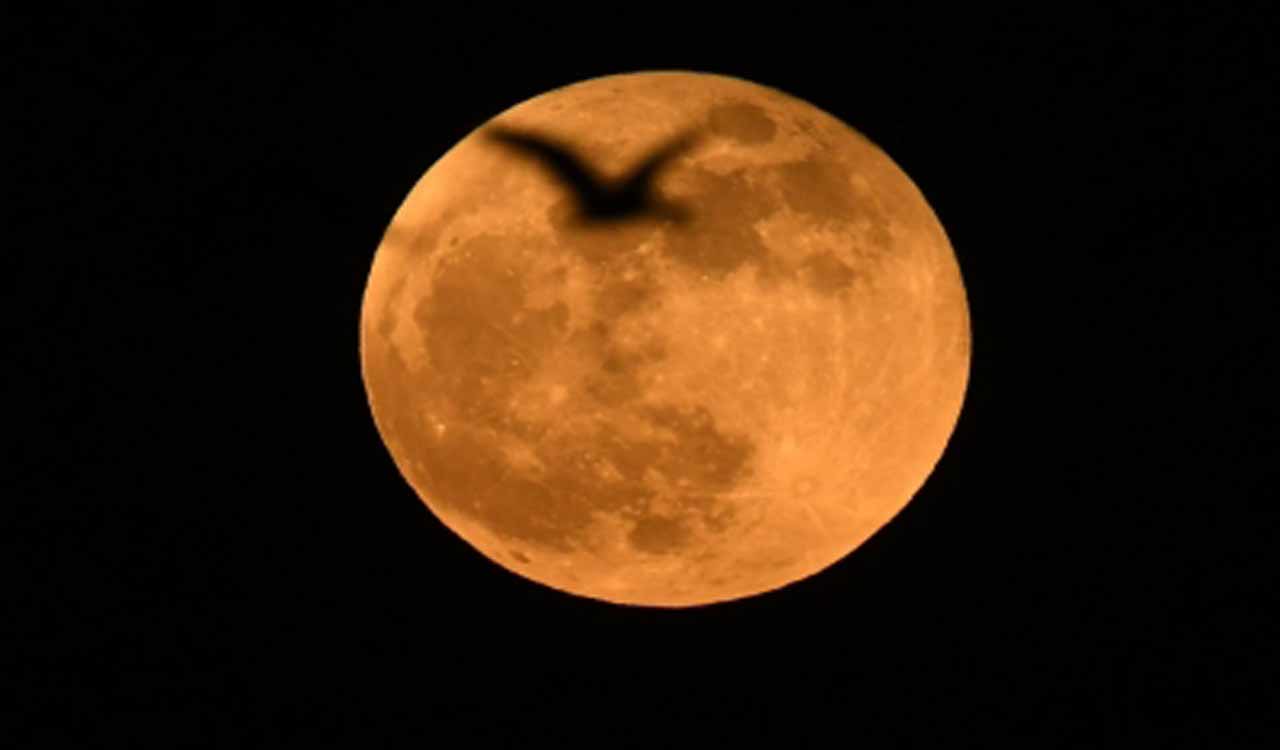
Psychiatrists at Indiana University School of Medicine find increased suicide deaths during full moons
Posted Date – 06:20 AM, Sun – 4/9/23

New York: For centuries, people have suspected that a full moon in the sky causes mysterious changes in people. Now, psychiatrists at Indiana University School of Medicine have found an increase in suicide deaths during full moons.
According to the researchers, the increased light of the full moon may be responsible for the increase in suicides during this period.
Ambient light plays an important role in the body’s circadian rhythm, the natural 24-hour cycle our bodies follow to regulate when we fall asleep and wake up.
Moonlight can affect people when it should be darker.
The team looked at data on suicides that occurred in Indiana between 2012 and 2016. They found that during the week of the full moon, there was a significant increase in suicide deaths, with a larger increase for those over 55.
They also looked at the time and month that suicides occurred and found that 3 to 4 p.m. and September were the peak times for suicides.
Study author Alexander Niculescu said in a paper published in the journal Discovery Mental Health: “We wanted to analyze the hypothesis that suicide rates increase around full moons and determine that whether high-risk patients should be watched more closely.”
Niculescu and his team have previously developed blood biomarker tests for other mental health conditions (anxiety, depression and PTSD) and pain.
Using blood samples previously taken from some people by coroners, the team was able to see which biomarkers were present.
“We tested the list of top blood biomarkers for suicidality that we had identified in previous studies,” Niculescu said.
The suicide biomarkers that predicted suicide deaths at the full moon, peak time of day and peak month of the year compared to periods outside of these appeared to be genes that regulate the body’s own internal clock, the so-called “biological clock.”
“Using biomarkers, we also found that people with alcohol use disorder or depression may be at higher risk during these time periods,” the researchers noted.
More careful research is needed on the effects of ambient light and circadian clocks on suicide, as well as people’s sleep patterns and their exposure to light.
“Changes in light can affect vulnerable populations, along with other risk factors,” the study said.
The spike in suicide between 3 and 4 p.m. may be related to stressors throughout the day, as well as reduced light exposure at the start of the day, leading to lower expression of clock genes and cortisol.
In September, many people are experiencing the end of summer vacation, which can lead to stress, as well as the effects of Seasonal Affective Disorder, since there is less daylight at that time of year.
“Our study shows that the full moon, autumn and early evening are windows of increased suicide risk, especially for people with depression or an alcohol use disorder,” Niculescu said.
