

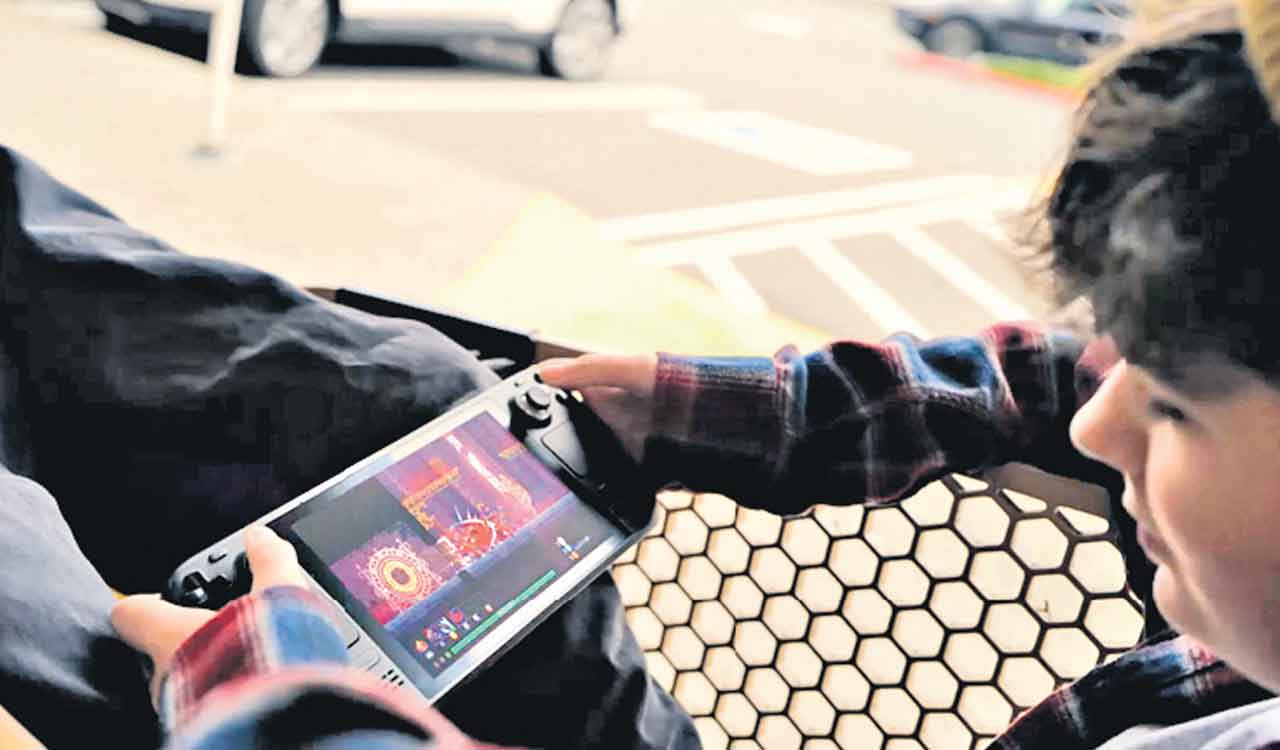
It is critical to consider the unique offerings each device category offers
Posted Date – Mon 05 Jun 23 12:15am

Hyderabad: With the ASUS Rog Ally launching on June 13, what should gamers prepare? If one were to try and classify the handheld gaming market today, one would end up with two distinct categories, the first comprising Original Equipment Manufacturers (OEMs), including companies like Nintendo and the Switch as well as Valve and the Steam Deck, the first comprising The second category will be the third – ROG Ally, AyaNeo and ONEXPLAYER from party makers like ASUS. The first category of devices has custom hardware and software, while the second category relies on hardware derived from laptop components and uses Windows 11 as the operating system.
As gamers consider their options for handheld devices, it’s critical to consider the unique offerings each device category has to offer. Here are some key factors to consider:
1. Exclusive games and special software: If your main motivation for buying a handheld is the availability of exclusive games and dedicated software, then you shouldn’t be considering anything other than Nintendo with exclusive franchises like Pokémon, The Legend of Zelda, Fire Emblem, Animal Crossing and Mario World. For most players, there’s a lot here. The Switch’s battery life is decent, the software is minimalist but as functional as the most advanced consoles, plus it accepts micro-SD cards, and despite being nearly six years old, it still has a lot to offer.
Steam Deck comes in second on this list, offering a simple and straightforward operating system. Games from Steam are most likely to run fine, and many of the early hiccups have been ironed out. On the other hand, Windows 11-based handheld game consoles present some challenges. Since they are PCs in nature, optimal game settings may not always be available and advanced users may need at least 10 minutes to configure settings every time they start a new game.
2. Power and performance: If you’re looking for a crisper screen and smoother FPS gaming experience, look no further than a Windows 11 device. The hardware these devices pack is perfect for demanding gaming, and since they’re in many ways smaller gaming laptops, you can even use MS Office or any Windows software on them if you feel the need. However, these devices may have trouble playing games that don’t require a lot of processing power.
For example, Ori and the Will of the Wisp runs fine on the ROG Ally, but games like Limbo not so much. On the other hand, expect the Steam Deck to struggle with AAA titles in a few years like the Switch is today.
3. Longevity and support: The Switch and Steam Deck will likely enjoy this, as they’re designed to resemble consoles in most respects. With Windows 11 devices, it’s a bit more complicated, especially when you consider that their chips are based on chips that get upgraded every year, and with the exception of Ally, most of the other manufacturers in the segment released versions of their initial products. Follow-up products. Too many variants can also lead to too much fragmentation and poor software support. On the other hand, the transition from the annual update model common in PCs and laptops poses significant challenges for hardware partners.
When you weigh the pros and cons of each category, it must be admitted that not many people are willing to spend more than 50,000 rupees ($600) on a dedicated gaming rig that could become obsolete within a year. This raises a key question for a handheld format that demands immediate attention. Failure to fix this issue quickly could lead to third-party handhelds suffering a similar fate to Steam Machines.
