




By Skeena News
Canada’s bill for hosting the 2026 FIFA Men’s World Cup has now climbed above $1 billion, raising new questions about public spending, transparency, and whether taxpayers across British Columbia — including Northern B.C. — will see meaningful benefits from a tournament centred mainly in Vancouver.
According to the Parliamentary Budget Officer, total government support for Canada’s share of the World Cup is now estimated at $1.066 billion. Canada will host 13 matches, with seven games in Vancouver and six games in Toronto. That works out to roughly $82 million per match.
The federal portion is estimated at $473 million, while provincial and municipal governments are expected to cover about $593 million. For British Columbia, the Vancouver hosting cost is estimated at approximately $578 million, according to the PBO estimate.
For many British Columbians, the question is no longer whether the World Cup will be exciting. It is whether the public cost is justified — especially when the promised tourism boom is already facing warning signs.
Vancouver Gets the Games, B.C. Gets the Bill
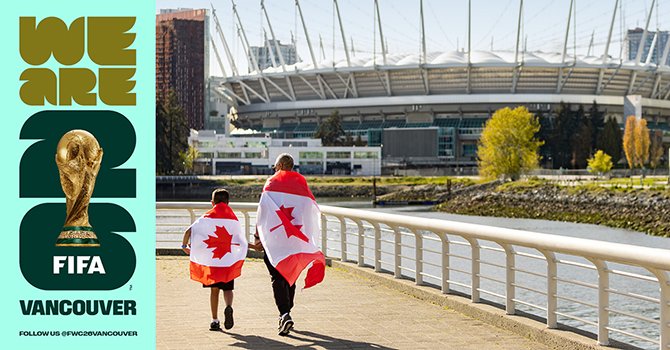
Vancouver’s BC Place will host seven World Cup matches, making British Columbia one of Canada’s two host provinces. The event will bring international attention, soccer fans, security operations, fan zones, hotel activity, transportation planning, and stadium upgrades.
But the benefits are expected to be concentrated mainly in Metro Vancouver.
The cost, however, is broader. Provincial spending is ultimately supported by taxpayers across B.C., including communities far from Vancouver such as Terrace, Kitimat, Prince Rupert, Smithers, Hazelton, and other northern and rural regions.
This creates a regional fairness issue. While Vancouver receives the global exposure, infrastructure improvements, and direct visitor traffic, many rural communities are still dealing with healthcare shortages, highway concerns, housing pressure, emergency service gaps, and rising costs of living.
For Northern B.C. residents, the issue is simple: if the whole province helps pay, what does the whole province receive?
Hotel Bookings Are Not Matching the Original Hype
One of the biggest arguments for public spending on the World Cup has been tourism. Governments and tourism agencies have promoted the tournament as a major economic driver that would bring visitors, hotel stays, restaurant spending, and global attention.
But recent hotel booking data has complicated that narrative.
City News reported that Destination Vancouver says June hotel bookings are down 20 per cent compared with the same time in 2025, even with the World Cup approaching. Destination Vancouver said it remains optimistic that bookings may increase closer to kickoff, but the numbers still challenge earlier expectations of overwhelming demand.
This matters because Vancouver’s World Cup funding model depends heavily on tourism activity, hotel stays, visitor spending, and event-related revenue. If visitors delay bookings, avoid the city, or decide prices are too high, the projected economic return becomes less certain.
The concern is not that hotels will remain empty during every match. The issue is whether the tournament creates new economic activity or simply replaces regular summer tourists, business travellers, conventions, and domestic visitors who may avoid Vancouver because of congestion and high prices.
The Mega-Event Problem: New Tourism or Replaced Tourism?
Sports economists have long warned that mega-events often produce inflated economic projections. A major event can fill hotels and restaurants, but that does not automatically mean it creates new wealth.
In cities that are already busy during the summer, a World Cup may displace normal tourism rather than add to it. Convention visitors, cruise passengers, family tourists, and local travellers may stay away because they expect higher prices, packed streets, and limited hotel availability.
If that happens, the World Cup does not bring a full new layer of economic activity. It may simply swap one group of visitors for another.
That distinction matters for taxpayers. If public officials justify hundreds of millions in spending by promising major economic benefits, the public deserves a clear accounting of whether those benefits are truly additional — not just shifted from one type of tourism to another.
Security, Stadium Work, Transit, and Public Costs
The PBO estimate includes federal, provincial, and municipal support connected to hosting the tournament. The federal government’s share includes support for host cities and security-related costs. Reuters reported the PBO estimate includes $145 million for security during the event.
In Vancouver, costs are tied to stadium preparation, public safety, transportation, fan events, training facilities, and other hosting requirements.
BC Place has required upgrades to meet FIFA standards. The city and province also face costs related to policing, traffic planning, emergency management, public spaces, and visitor movement.
These are not small items. They are major public commitments for a short tournament window. Even if some improvements leave a legacy, taxpayers still need to know what was spent, why it was necessary, who approved it, and what long-term benefit remains after the final whistle.
Northern B.C. and the Question of Regional Return
The regional divide is one of the most important parts of this story for Skeena News readers.
The Province has announced support for community events outside host cities. For example, the B.C. government said it is contributing $25,000 toward a Tumbler Ridge World Cup celebration through the 2026 Community Event Support Fund, with the federal government also providing $25,000.
Community celebrations are positive. They may bring families together, support local pride, and give residents a way to participate in a global event.
But the scale of funding raises a fair question.
If B.C.’s Vancouver hosting cost is estimated at $578 million, while some rural communities receive tens of thousands for viewing parties or local celebrations, is that a meaningful provincial benefit — or a symbolic gesture?
For communities in Northern B.C., where residents often raise concerns about hospital access, ambulance response, road conditions, housing, affordability, and government service gaps, this comparison is difficult to ignore.
A $25,000 community event may be welcomed locally, but it does not answer the larger question of why hundreds of millions are being concentrated in Vancouver while rural regions continue to ask for basic infrastructure and service improvements.
Transparency Must Come Before Celebration
The World Cup will bring excitement. Many British Columbians love soccer, and hosting international matches is a major moment for Vancouver and Canada.
But public excitement cannot replace public accountability.
When costs rise from early projections to hundreds of millions of dollars, taxpayers deserve detailed answers. They deserve to know how much is being spent, which agencies are responsible, what costs are fixed, what costs are still uncertain, and whether public money is being protected.
The public also deserves updated economic projections that reflect current hotel booking trends, real visitor behaviour, inflation, security needs, and the possibility of displaced tourism.
If the benefits are real, governments should be able to show them clearly. If the costs have increased, governments should explain why. If the financial return is uncertain, taxpayers should not be given only optimistic slogans.
Key Questions for B.C. Officials
There are several questions that provincial and municipal officials should answer clearly before and during the tournament:
- What is the most current total cost estimate for Vancouver’s World Cup hosting responsibilities?
- How much will be paid by the Province of B.C., the City of Vancouver, the federal government, Crown corporations, and other public agencies?
- What costs are not included in the headline estimate?
- If hotel tax revenues or tourism revenues fall short, who covers the gap?
- How much of the spending produces long-term public benefit after the tournament ends?
- What measurable benefit will communities outside Metro Vancouver receive?
- How will Northern B.C. taxpayers see a return from an event where direct benefits are mainly concentrated in Vancouver?
These are not anti-soccer questions. They are basic public accountability questions.
A Celebration for Vancouver, But a Bill for Everyone
The 2026 FIFA World Cup may become a proud moment for Vancouver. It may bring memorable matches, international visitors, and global attention to British Columbia.
But pride does not erase cost.
With Canada’s public World Cup spending now estimated above $1 billion, and B.C.’s Vancouver share estimated near $578 million, the province needs an honest conversation about priorities, transparency, and regional fairness.
For Northern B.C., the issue is not whether Vancouver should host major events. The issue is whether rural and northern taxpayers should help fund a Vancouver-centred event without seeing meaningful, measurable benefits in return.
As the tournament approaches, British Columbians deserve more than celebration. They deserve the full bill, the full explanation, and the full truth about what this event will cost — and who will actually benefit.