




SKEENA REGION – A traumatic grizzly bear attack in the Bella Coola Valley on Thursday, November 20, 2025, resulted in 11 casualties, with the incident highlighting both the extraordinary heroism of local school staff and the critical failure of systemic healthcare logistics in remote Northern B.C.
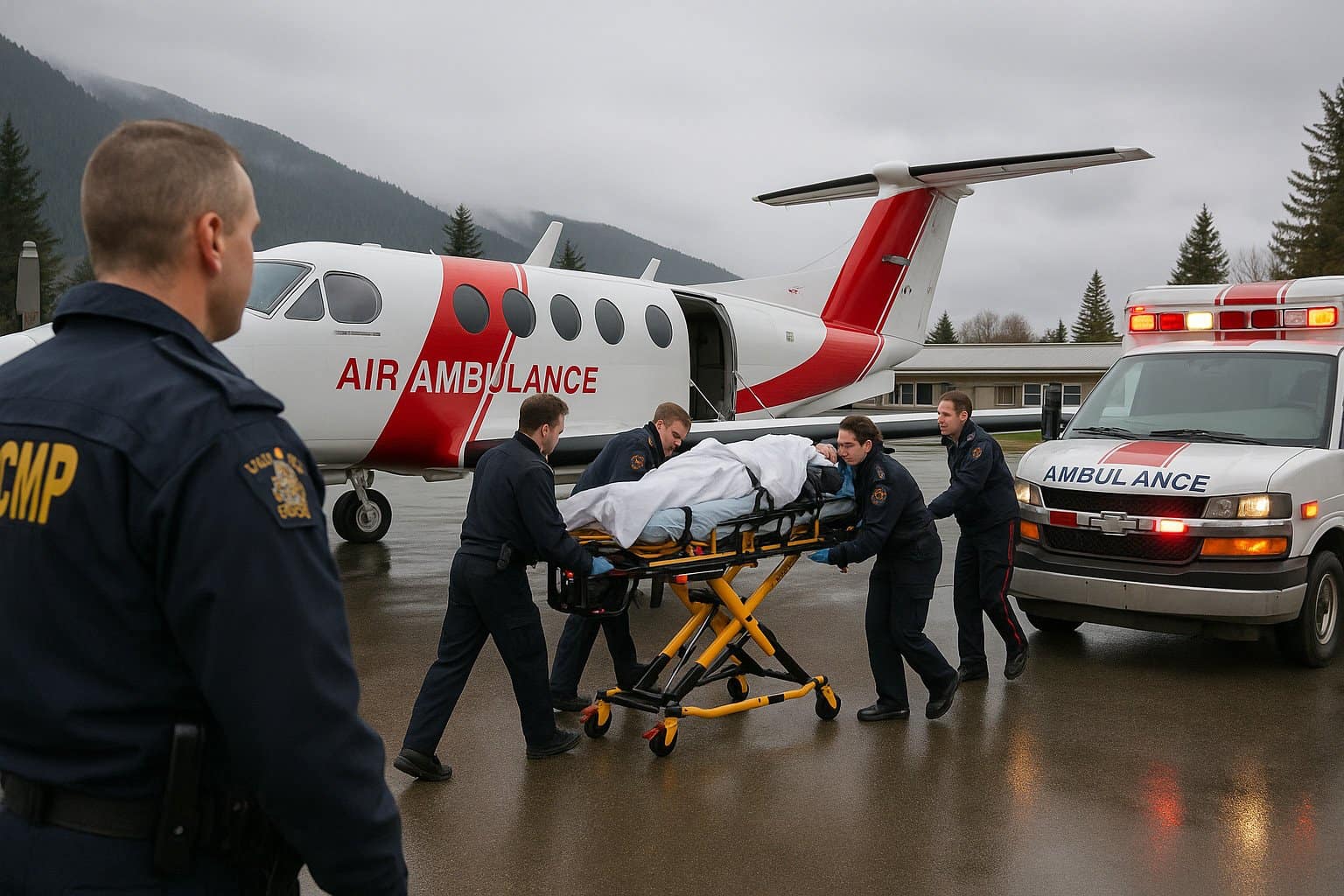
The unprovoked attack involved approximately 20 students and staff from the Nuxalk Nation’s Acwsalcta School during a short afternoon field trip on a trail near Highway 20. The severity of the incident was immediate: four individuals—one adult and three children from Grades 4/5—sustained critical and serious injuries, necessitating a 700-kilometer air evacuation to specialized medical facilities in Vancouver.
Heroic Intervention Averts Fatality
The low mortality rate, despite the severity of the attack, is directly attributed to the exceptional preparedness and bravery of the school staff. According to Nuxalk Nation elected Chief Samuel Schooner, the staff “followed all necessary protocols” and were “well trained to be in their territories.”
Multiple teachers physically intervened in the attack to shield the students and successfully deployed both bear spray and a bear banger to drive the aggressive grizzly away. Chief Schooner noted that the outcome “could have been much worse.” This outcome validates the necessity and superiority of Indigenous-led, locally specific safety training in high-risk territories.
700KM Distance Multiplies Health Risk
The geographical isolation of the Nuxalk Nation proved to be the defining non-medical challenge of the emergency response. The necessity of a 700 km air transfer for critical trauma victims places substantial pressure on the “golden hour” concept of trauma care, severely increasing the risk of adverse outcomes.
The response required highly coordinated inter-agency action, with RCMP and BC Emergency Health Services collaborating to perform immediate triage, stabilization, and medevac for the two critically injured and two seriously injured victims. The reality of this vast distance underscores that geographical isolation acts as a dramatic risk multiplier, demanding a policy reassessment of remote medical evacuation protocols and funding.
Culturally-Informed Trauma Response
The Nuxalk Nation demonstrated exceptional community resilience by immediately activating a sophisticated, culturally-informed “wrap-around” support system for trauma recovery.
Recognizing the attack caused “significant trauma to our community,” the Nuxalk Nation Wellness Department swiftly enacted its support model. This included not only clinical support and peer counselling but crucially integrated Nuxalk cultural practices and protocols, such as spiritual healing services and traditional medicine.
The immediate deployment of traditional healers and land-based practices confirms that Indigenous Wellness Departments are essential, primary service providers in trauma recovery, underscoring the necessity of financially integrating traditional healing practices into broader governmental crisis support frameworks.
Investigation and Public Safety
The B.C. Conservation Officer Service (COS) and the RCMP mobilized immediately, with COS officers initiating an overnight search to locate the grizzly, which remained unfound. Preliminary investigation suggests the bear may have been previously injured, which could have lowered its threshold for perceiving a threat. The Nuxalk Nation has issued urgent public safety directives, advising residents to stay indoors and actively avoid the forested and river areas near the attack site.
The crisis has reinforced the call for formalized protocols for wildlife management, ensuring Nuxalk traditional knowledge and co-governance inform the official response strategy regarding the aggressive wildlife.