




By Skeena News | July 23, 2025
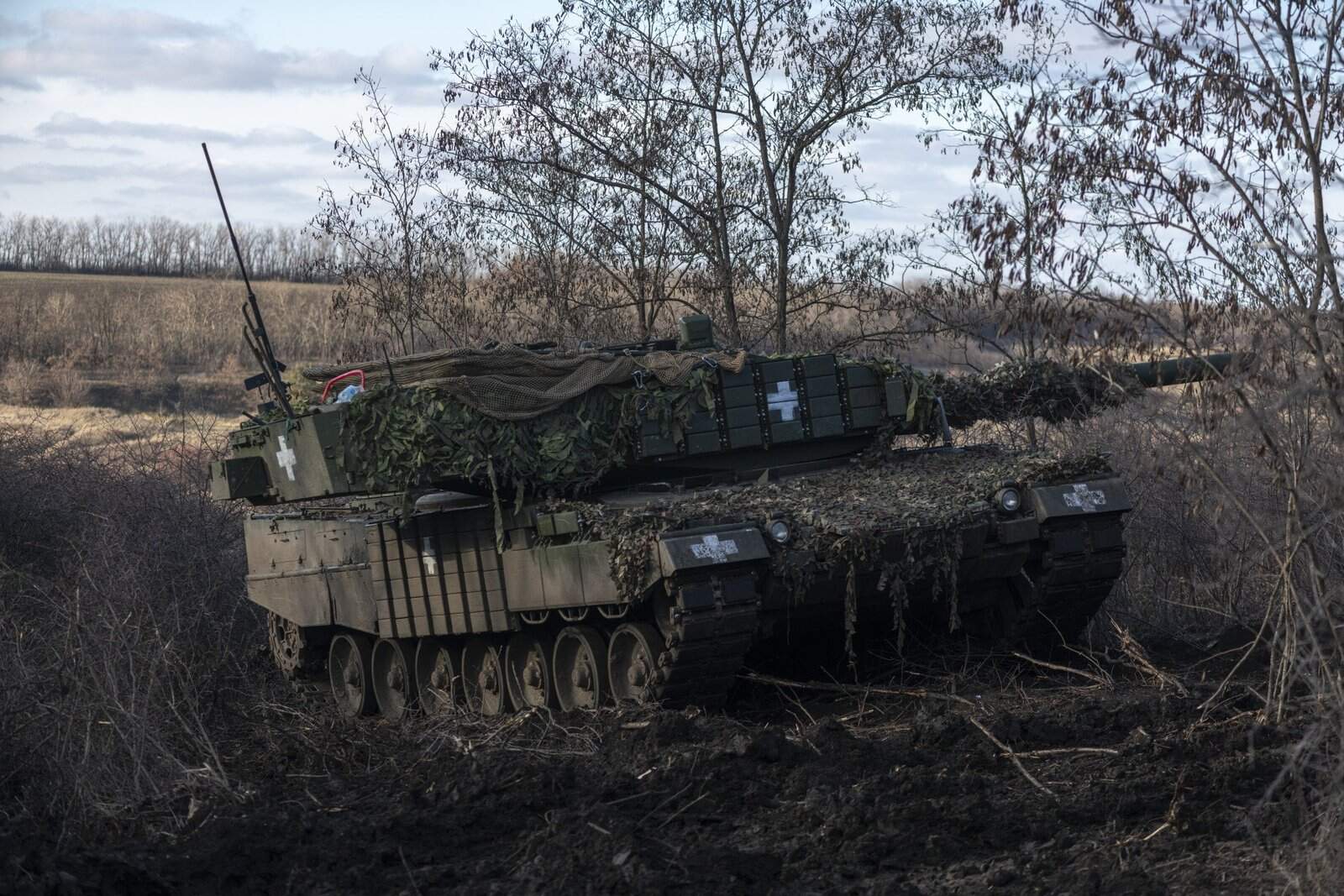
Canada has pledged an additional $14.6 million USD (approx. $20 million CAD) to support Leopard 2 tank repairs in Poland, part of its ongoing military aid to Ukraine. The announcement was made by Defence Minister David McGuintyduring the 29th Ukraine Defense Contact Group meeting (Ramstein format) on July 21, 2025.
This commitment, while praised by many in global diplomatic circles, also raises questions here at home—especially in communities like Terrace, Kitimat, and across the Skeena region, where taxpayers are balancing the cost of living, housing shortages, and unemployment.
Where Is the Money Going?
The funds will be directed toward a Leopard 2 Maintenance and Repair Facility in Poland, a key hub for keeping Ukraine’s frontline tanks operational against Russian forces.
According to federal data:
- This $14.6M comes from Canada’s 2025–2026 military aid budget.
- Since February 2022, Canada has contributed over $6.5 billion in military aid to Ukraine.
- Canada has also delivered 8 Leopard 2A4 tanks, with 50 Armoured Combat Support Vehicles set to be delivered later this year.
A National Debate, Support vs. Accountability
Defence Minister McGuinty framed the funding as a stand for democracy and human rights, stating:
“Ukraine’s fight against Russia’s illegal and unprovoked war is also a fight for democracy, freedom, and human rights… Canada will continue to stand with Ukraine.”
Yet many Canadians are asking:
- Who oversees how the money is used?
- Are domestic priorities — healthcare, First Nations reconciliation, local infrastructure — being left behind?
- Is there transparency on how much of this aid is new funding versus reallocated budgets?
What Skeena Residents Are Saying
In our interviews with local residents and business owners, concerns were raised:
“What about funding for housing in Terrace? Or wildfire recovery in our region?” asked another.
Should There Be More Public Oversight?
Canada’s contribution is part of a global coalition effort. But unlike the U.S. Congress or EU parliaments, Canadians don’t get a direct say on each military aid decision. That’s leading some to call for:
- Parliamentary review or oversight hearings
- Community-level consultation before future pledges
- Clear budget allocations separating international aid from domestic spending