





Mark Carney Prince Rupert Visit
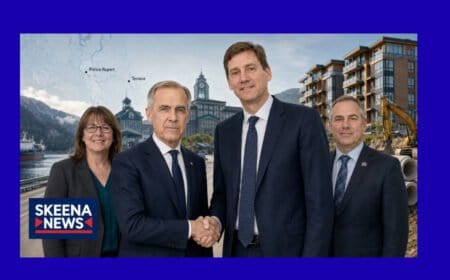
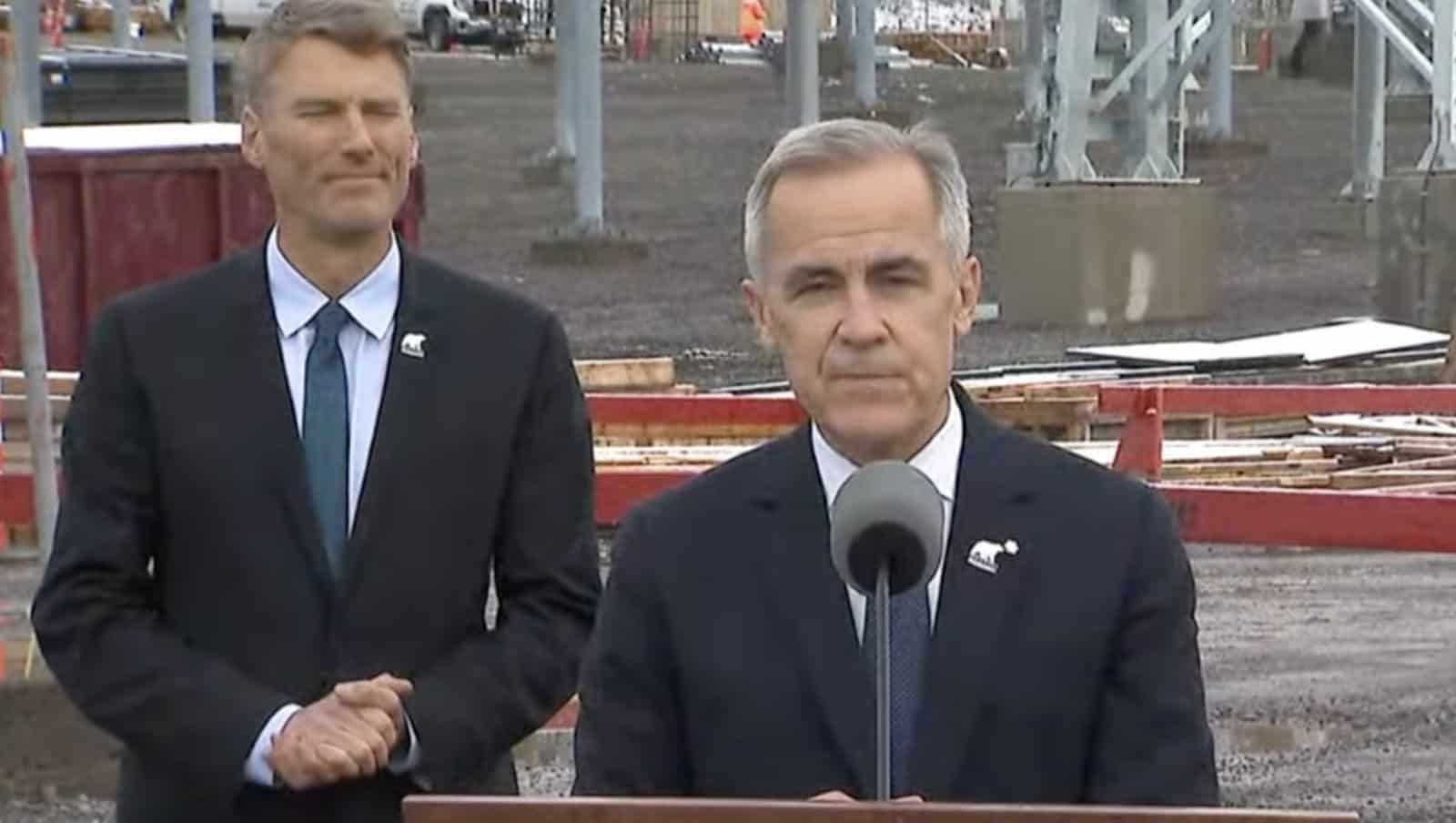
PRINCE RUPERT, B.C. — In a significant move for Northern B.C.’s political and economic landscape, Prime Minister Mark Carney has arrived in Prince Rupert today, January 12, to engage in a pivotal meeting with the Coastal First Nations (CFN).
The Prime Minister is not traveling alone; he is accompanied by two heavy-hitters from his cabinet: Energy and Natural Resources Minister Tim Hodgson and Housing and Infrastructure Minister Gregor Robertson. The high-level delegation is set to sit down with the Alliance of First Nations on Tuesday, January 13, fulfilling a request for dialogue originally made by the coastal nations in July 2024.
Key Agenda: Major Projects and Infrastructure
The summit is expected to focus on the “dual-use” infrastructure and energy projects that have dominated recent federal and provincial budgets. With the North Coast serving as a global gateway for B.C.’s resources, the discussions are likely to cover:
- Energy Development: Ongoing and proposed LNG projects and the critical role of First Nations as partners in the energy sector.
- Infrastructure Resilience: Discussions on housing and the $1 billion “dual-use” fund aimed at improving northern transportation links.
- Economic Sovereignty: Aligning federal economic goals with the self-determination and environmental stewardship priorities of the CFN.
A Prelude to Global Diplomacy
The stop in Prince Rupert serves as the final Canadian engagement for the Prime Minister before he embarks on a historic journey. Immediately following the meeting on Tuesday, Carney will fly to China for an official visit from January 13 to 17.
This mission to China marks the first time a Canadian Prime Minister has visited the country in nearly a decade. The fact that Carney is meeting with Northern B.C. Indigenous leaders immediately before engaging with one of Canada’s largest—and most complex—trading partners underscores the strategic importance of the North Coast in Canada’s global trade ambitions.
Why This Matters for the Northwest
The presence of the Ministers of Energy and Housing alongside the Prime Minister suggests that the federal government is looking for concrete “buy-in” on infrastructure projects that impact the Skeena and North Coast regions.
For the Coastal First Nations, this meeting represents a critical opportunity to ensure that federal investments in “dual-use” facilities—like seaports and airports—actually address the housing and social needs of local communities rather than just serving industrial or military interests.
Skeena News Analysis: This visit is more than a “pit stop.” It is a calculated move to stabilize the domestic front in the Northwest before the Prime Minister enters the room with Beijing’s leadership.