





WestJet Scraps 28-Inch Seats After Public Backlash
CALGARY – Following a wave of public indignation and viral videos showing passengers wedged into tiny spaces, WestJet announced Friday it is scrapping its controversial plan to reduce legroom across its economy fleet.
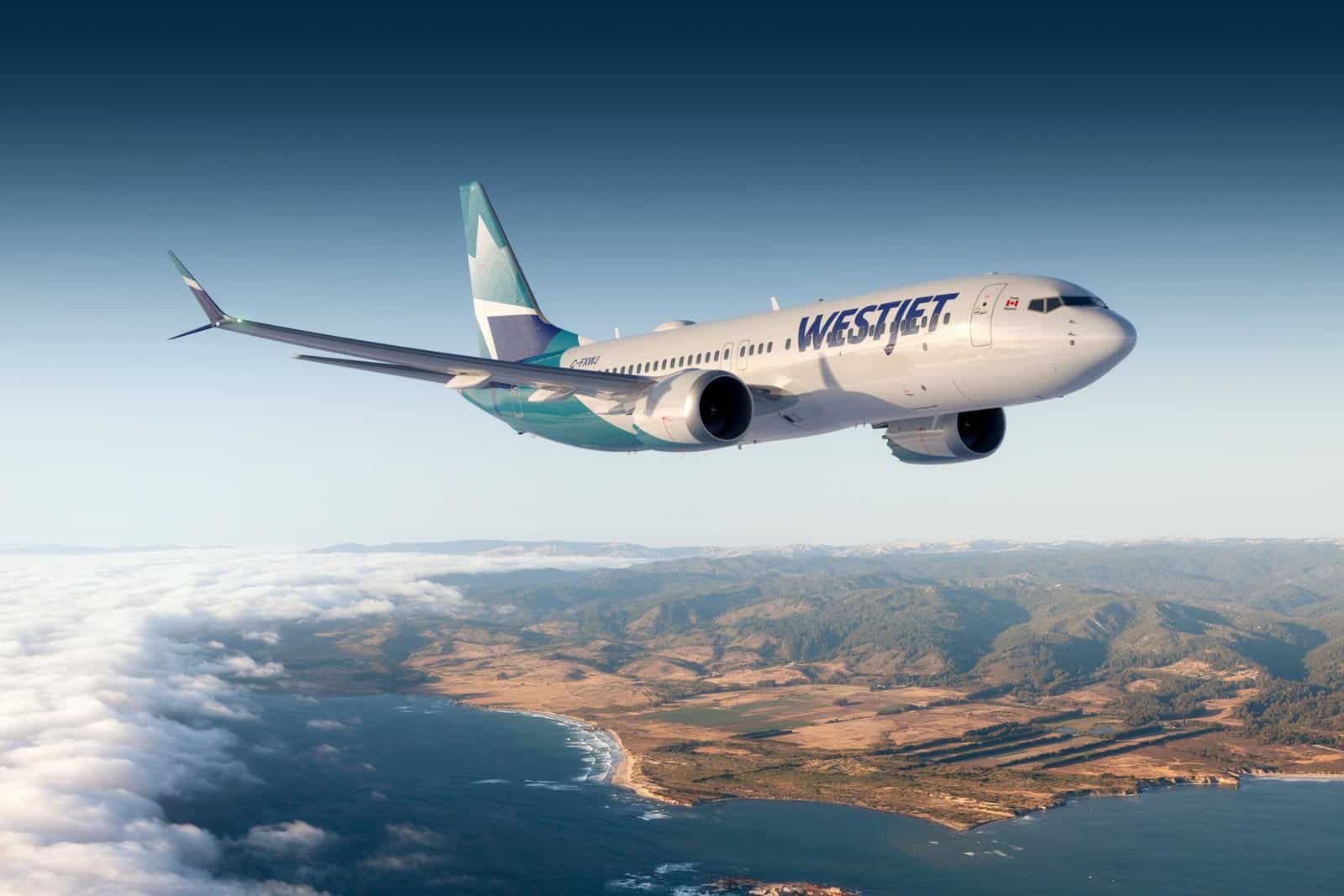
The Calgary-based carrier confirmed it will strip out the newly added “extra row” of seats on 21 aircraft and return to its prior standard of 30-inch seat pitch. The airline had initially intended to roll out the high-density configuration—which offered just 28 inches of space between seats—across 43 Boeing 737 jets to lower operational costs and offer “Ultra Basic” fares.
“WestJet tried seat pitches that are popular with many airlines around the globe,” CEO Alexis von Hoensbroech said in a statement. “At the same time, it is just as important to react quickly if they don’t meet the needs of our guests.”
The Viral Tipping Point
The reversal follows a PR firestorm that peaked when a TikTok video, showing an elderly couple in Edmonton unable to straighten their legs in the 28-inch rows, surpassed 1.1 million views.
While WestJet argued the 180-seat configuration was certified by Transport Canada and common among European budget carriers like Ryanair, critics noted that Canadian flights are significantly longer. For travelers in the North, where WestJet is often the primary link between Prince Rupert or Terrace and major hubs, the prospect of a four-hour flight with no recline and minimal legroom was met with fierce resistance.
Frontline Strain
The decision was also a victory for the union representing over 4,700 WestJet flight attendants (CUPE 8125). Cabin crews reported that the cramped quarters led to a “troubling rise” in passenger aggression and physical strain.
“Our members have been telling us very clearly that these reconfigured aircraft led to increased tensions onboard,” said Alia Hussain, CUPE WestJet Component President. “Flight attendants were often learning about or experiencing the changes at the same time guests were.”
A Costly U-Turn
Industry experts, including John Gradek of McGill University, say the airline had “no choice” but to retreat to protect its brand. The reconfiguration process will be expensive; WestJet must now wait for new engineering certificates to remove the extra rows and restore the 174-seat layout.
For Skeena-area travelers, the reversal means that while the “Ultra Basic” fare class may remain, the physical experience of flying economy will not be further degraded. However, experts warn that the cost of removing these seats may eventually be reflected in a “slight uptick” in regional fares.
The airline expects the return to standard seating to be completed by the end of 2026.