





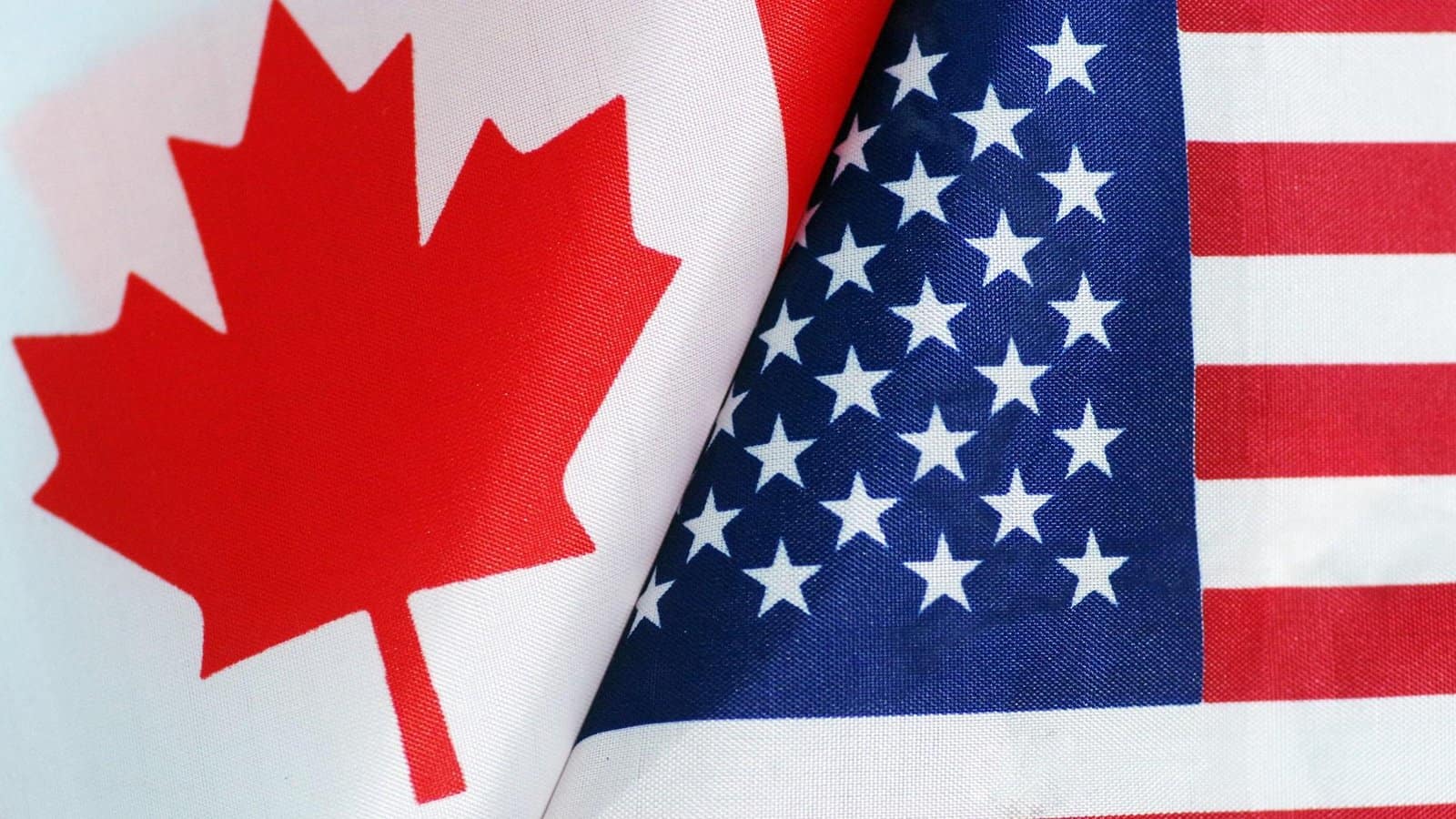
OTTAWA, O.N. – Renewed pressure from the United States for Canada to significantly increase its defence spending, particularly on Arctic security, could have future implications for Northwest B.C. as the federal government prepares a new defence and security announcement for this Monday.
In an interview this past Friday, the American ambassador to Canada acknowledged that Canada’s defence spending has been an “irritant” in the relationship. His comments come as the U.S. administration continues to push allies to meet NATO spending targets, with some proposals suggesting a new target as high as five per cent of GDP. Canada’s current spending is projected to be 1.45 per cent for 2024.
For the Skeena region, the most significant aspect of this pressure is the focus on the Arctic. In recent years, both U.S. parties have urged Canada to boost its northern defences. The current U.S. President has suggested that Arctic defence is part of his “Golden Dome” plan for a continental missile-defence shield. He reportedly told Ottawa it would cost US$61 billion to be part of the project.
Any major investment in Arctic sovereignty would likely involve assets and infrastructure along Canada’s west coast, placing communities like Prince Rupert and Kitimat in a strategically important position.
The U.S. ambassador was careful to state that Washington will not dictate what Canada must spend, but he emphasized the importance of the NATO alliance’s collective defence principle. He noted that Americans haven’t forgotten Canada’s “investment and the sacrifice” in Afghanistan after the U.S. invoked the treaty’s collective defence clause.
Canada’s Prime Minister, who promised during the recent election to meet the existing 2% NATO target sooner than planned, is set to make an announcement on “defence and security priorities” this Monday in Toronto. This comes ahead of a NATO summit on June 24 where a new defence investment plan is expected to be approved.
While Canada’s Defence Minister said the government is reviewing its spending from “top to bottom,” the specific details of Canada’s plan, and what it might mean for the Northwest, remain to be seen.


