





An environmental assessment certificate has been granted for the Ksi Lisims LNG project, a significant step forward for the proposed floating natural gas liquefaction and export facility in Northwest B.C.
The certificate was announced by B.C.’s Environmental Assessment Office (EAO) on Monday, September 15, following a joint decision by provincial ministers Tamara Davidson and Adrian Dix. The ministers’ decision came after a comprehensive environmental assessment that began in 2021, which involved extensive consultation with First Nations, technical experts, government agencies, and the public.
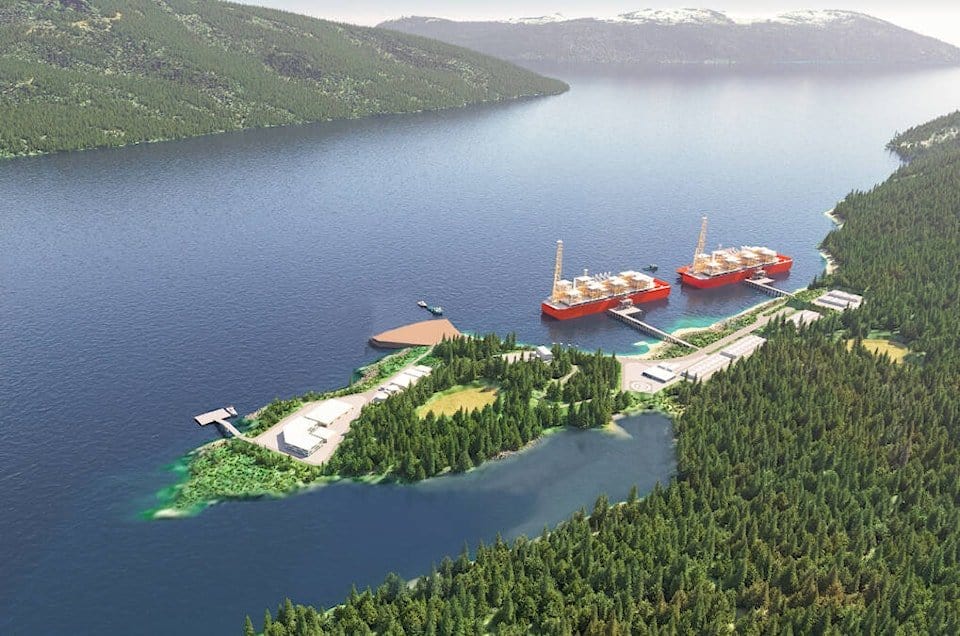
The Ksi Lisims LNG project is a joint venture between the Nisga’a Nation, Rockies LNG Limited Partnership, and Western LNG. The proposed facility is planned to be located off the coast of Pearse Island, approximately 56 kilometres north of Prince Rupert.
The certificate comes with 23 legally enforceable conditions that the project must adhere to throughout its lifespan. These conditions are designed to mitigate potential environmental, social, cultural, and health effects. Key requirements include:
- A greenhouse-gas emissions plan to meet the province’s net-zero policy.
- Management plans for impacts related to construction, wildlife habitat, and marine underwater noise.
- A health and medical-services plan to reduce pressures on local services from outside workers.
- A gender and cultural safety plan to prevent gender-based violence.
- A socioeconomic management plan that prioritizes regional and Indigenous hiring, apprenticeships, and procurement.
- Connecting the facility to the BC Hydro power grid to provide electrical capacity.
- A community feedback process for residents to have concerns addressed.
While the environmental assessment certificate is a major milestone, the project is still awaiting other required permits and authorizations. If these are received, the project is approved to build and operate two floating liquid natural gas structures at its planned location.
The province expects the project to employ an average of 450 workers during construction and a permanent workforce of up to 250 people once operational.

