





TERRACE, B.C. – The British Columbia government is setting out new guidance on how involuntary care can be provided for youth under 19 years old when they are unable or unwilling to care for themselves. The change is intended to provide clarity for physicians and families grappling with the severe mental health and substance-use crisis impacting young people.
Premier David Eby acknowledged that the new guidance for doctors and parents will not be universally well received, but stressed that the changes could significantly reduce brain injuries and deaths of children.
Clarifying the Mental Health Act
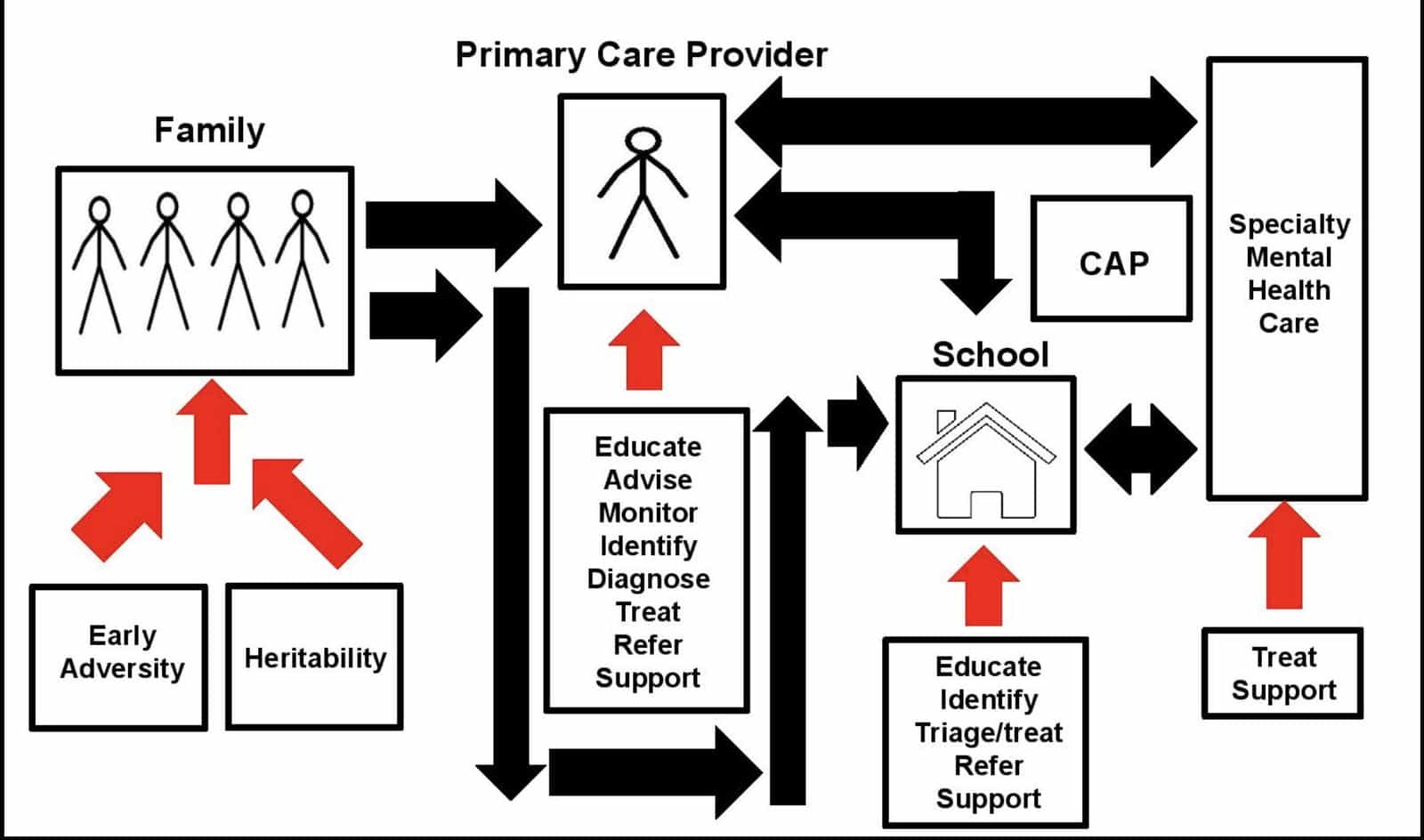
The revised guidance will help physicians clarify when young people can be admitted under the Mental Health Act at their parent’s or guardian’s request, ensuring they can get life-saving treatment.
Dr. Daniel Vigo, B.C.’s chief scientific adviser for psychiatry, toxic drugs and concurrent disorders, noted that previously, doctors were often advised to treat those in their late teens as mature minors, allowing them to make their own decisions regarding treatment. The new guidance aims to overcome this obstacle in life-and-death situations.
Families Welcome a ‘Fighting Chance’
The changes are a response to years of advocacy from families who have experienced the devastating consequences of being unable to intervene in their child’s substance use or mental health crisis.
Dr. Rachel Staples, whose 16-year-old son Elliot Eurchuk died of an overdose in 2018, stated that the changes will give families a fighting chance to save their children’s lives before it’s too late.
Elliot’s father, Brock Eurchuk, highlighted the parental contradiction under the previous system. He noted that if Elliot had taken a car out and had a terrible accident, the parents would have been responsible, yet they were unable to participate in their son’s health care and were given no information, even though he was trapped in a very high-risk situation.
The new guidance seeks to resolve this contradiction by providing physicians with clearer pathways to intervene when a youth’s capacity to make safe decisions is compromised.