




TERRACE — For thousands of young drivers in the Skeena and across British Columbia, the “Novice” sticker has become a permanent fixture on their tailgates, largely due to a provincial licensing system choked by months-long wait times. That is about to change.
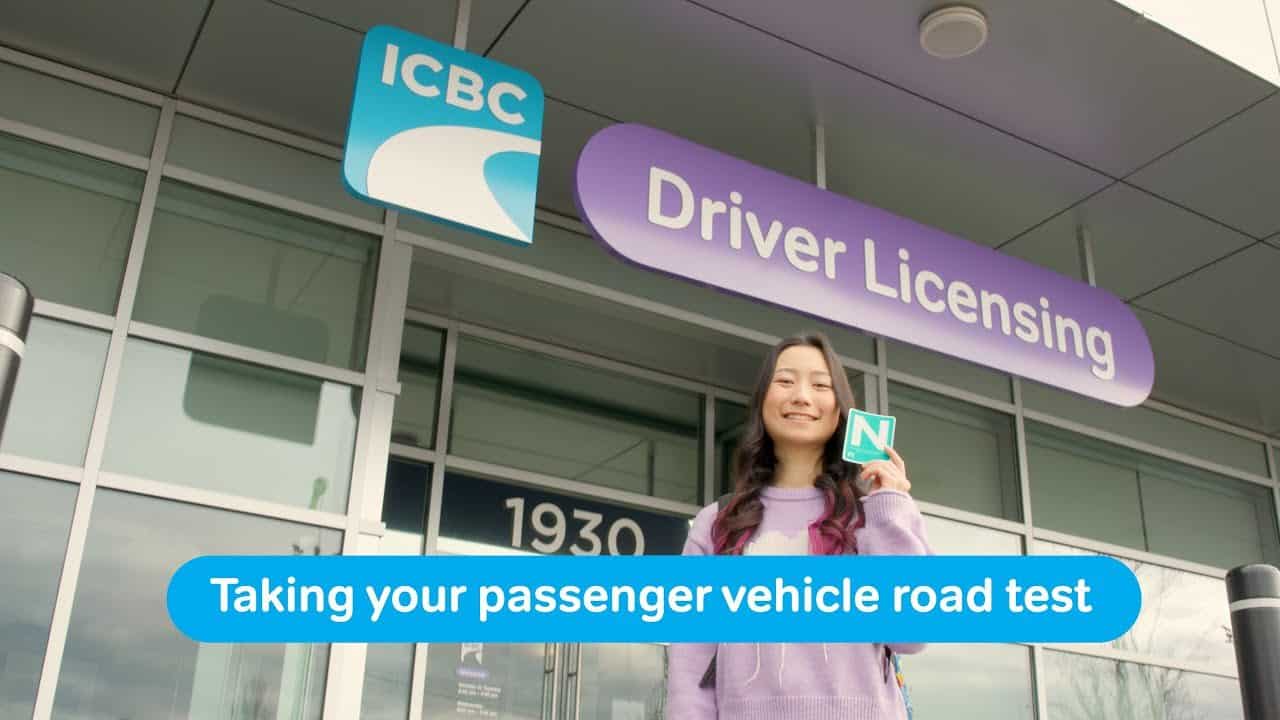
Public Safety Minister Garry Begg has announced landmark legislation that will officially eliminate the second road test currently required to graduate from a Class 7 (Novice) to a Class 5 (Full) driver’s license. The move, slated for implementation in early 2026, represents the most significant shift in B.C.’s Graduated Licensing Program (GLP) since its inception in 1998.
The 12-Month “Clean Slate” Rule
Under the new framework, the traditional Class 5 road exam—which tests a driver’s ability to navigate highways and complex intersections—will no longer be a mandatory hurdle. Instead, drivers holding a Class 7 license will be automatically “promoted” to a Class 5 license if they meet two criteria:
- Time Served: They must have held their Novice license for the mandatory two-year period (or 18 months if they completed an ICBC-approved driver training course).
- Clean Record: They must maintain an “infraction-free” record for the final 12 months of their Novice phase.
Minister Begg emphasized that the “N” will not simply disappear for everyone. The 12-month restriction period acts as a continuous test of safety. A single ticket—whether for speeding, distracted driving, or failing to yield—will reset the clock or potentially force the driver to take a traditional road test to prove their competency.
Ending the “Booking Hunger Games”
The primary driver behind this policy shift is a staggering administrative backlog. In regional hubs like Terrace, Prince George, and Prince Rupert, ICBC customers have reported waiting up to four months for an available road test slot. Some northern residents have resorted to driving several hours to smaller communities like Smithers or Burns Lake just to find an open appointment.
By removing the Class 5 test requirement for safe drivers, ICBC expects to free up thousands of exam slots for new learners (Class 7L) and commercial drivers, significantly reducing the “booking hunger games” currently plaguing the system.
“Gaming the System”: Drivers Play the Long Game
The announcement has already had a ripple effect in the Northwest. Local driving instructors report a surge in students “delaying” their scheduled Class 5 tests.
On social media platforms like Reddit, “N” drivers are openly discussing “gaming the system.” One Terrace resident, who has held an “N” for over five years, noted: “I’ve been putting off my final test because of the anxiety and the cost. Now, I just have to drive safely for another year and I’m a full driver. It’s a no-brainer.”
For these “long-term Novices,” the incentive to book a $50 road test has vanished. They are choosing to wait until the 2026 legislation kicks in to save both the fee and the stress of an examiner’s clipboard.
Safety Concerns vs. Efficiency
While the news is being cheered by frustrated drivers, some road safety advocates are wary. Critics argue that the Class 5 test serves as a final “check-and-balance” to ensure that the bad habits developed during the Novice phase are corrected.
ICBC, however, maintains that data shows a clean driving record over 12 to 24 months is a better predictor of long-term safety than a 35-minute road exam.
What you need to know for 2026:
- Implementation: Expected Q1 2026.
- Requirements: 24 months as a Novice; 12 months with zero tickets.
- The “Reset”: Any driving infraction “resets” your graduation eligibility.
- Voluntary Testing: Drivers can still choose to take the road test if they want to graduate earlier or if they have an imperfect record.