





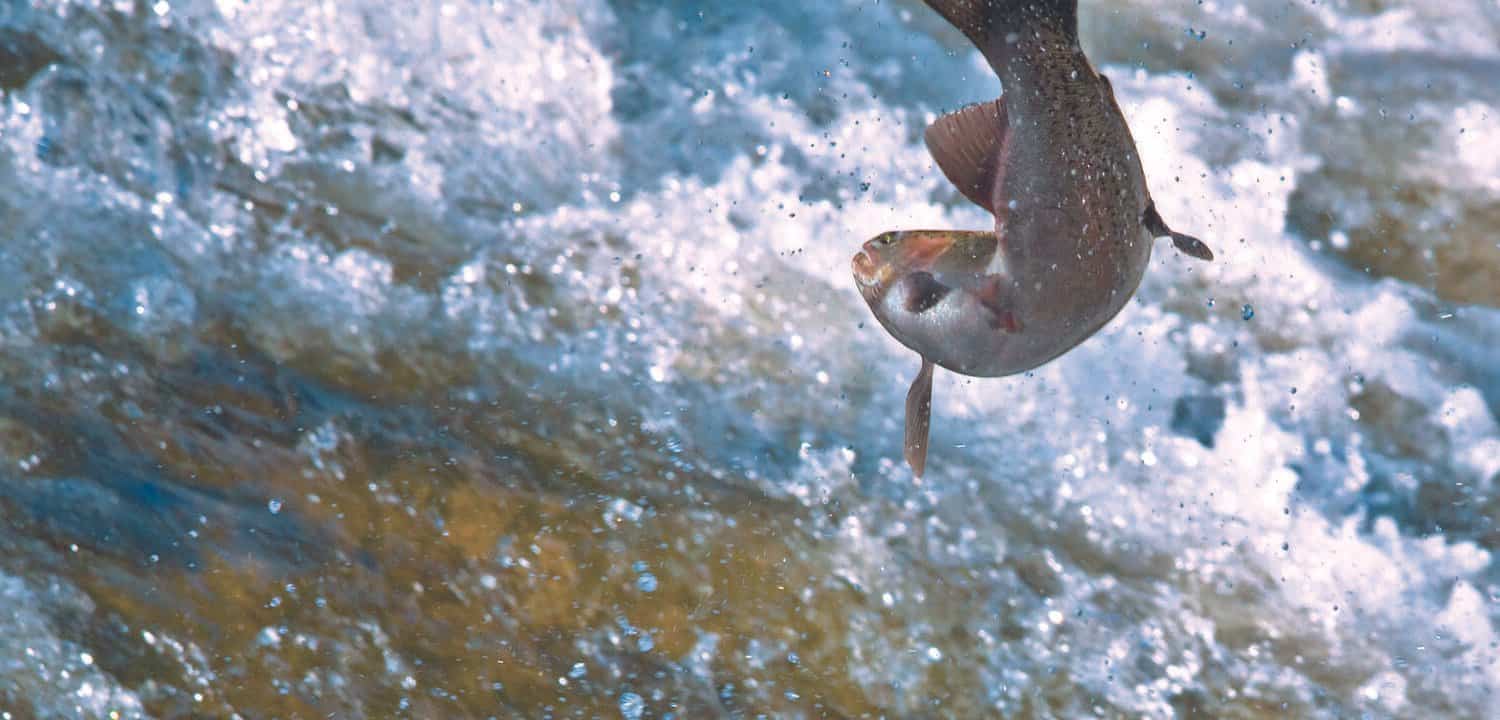
TERRACE, B.C. – As critical negotiations for the Canada-US Pacific Salmon Treaty get underway, a leading B.C. advocate is sounding the alarm that Alaskan fisheries are intercepting a devastating number of salmon bound for local rivers, including the Skeena.
Aaron Hill, executive director of the Watershed Watch Society, argues that while British Columbians have made painful cuts to their own fisheries to conserve struggling stocks, Alaskan fleets are reaping the benefits.
“Essentially all the fish that swim out of our BC rivers go out into the open Pacific Ocean… and then they make their way down the coast of Alaska, back home to their B.C. rivers to spawn,” Hill explains. “There’s a bunch of fisheries in Alaska that are primarily there to nab those BC fish… in a lot of years, Alaskans are now catching more BC fish than BC fishermen are.”
The issue is particularly galling for communities along the Skeena, where the health of chinook, sockeye, and steelhead runs are central to the region’s culture and economy. Hill claims that these interception fisheries are undermining local conservation efforts.
The problem, he says, lies with the Pacific Salmon Treaty, which is meant to govern how the two countries manage shared stocks. Hill alleges that Alaskan fisheries are not providing necessary data, such as genetic samples to identify the home rivers of the salmon they catch. He also states they are failing to report the numbers of bycatch species like Chinook and Steelhead that must be thrown back.
“There’s just a huge array of problems with the way they’re managing our fish that need to be tackled by the treaty,” Hill says.
Advocacy groups had pushed for a BC-based federal Fisheries Minister to champion the issue. While the role ultimately went to Newfoundland MP Joanne Thompson, she has pledged to protect harvesters and communities.
Hill hopes she will bring a strong voice to the treaty negotiations. He says that in recent years, easily a third of the potential salmon returns have been lost to these Alaskan interceptions.
“We’re just asking them to show the same level of care and attention to our fish,” Hill states, suggesting the problematic Alaskan fleets could be moved to inside waters to focus on their own abundant runs.
With the current treaty agreement in place until 2028, the ongoing negotiations represent a critical window to secure a better deal for the future of Skeena salmon.